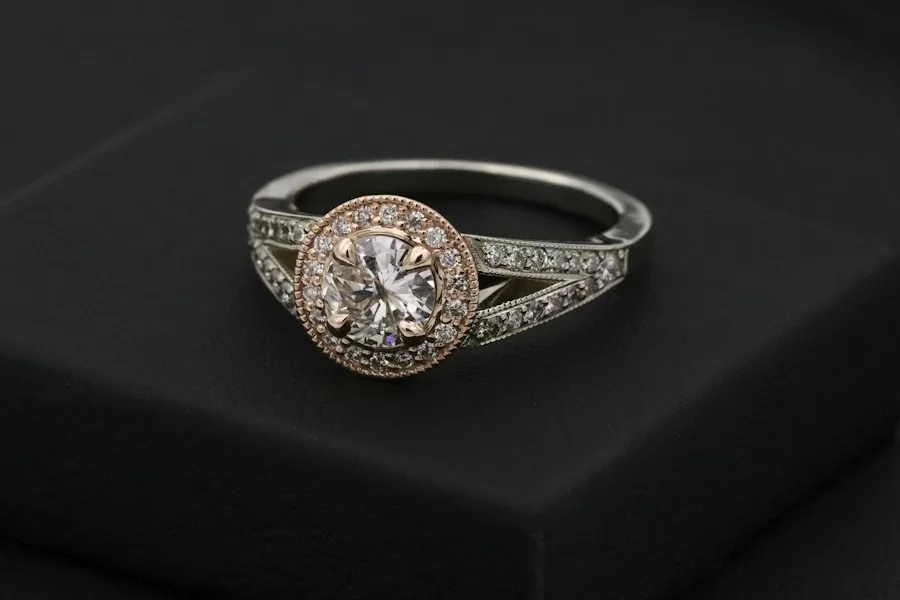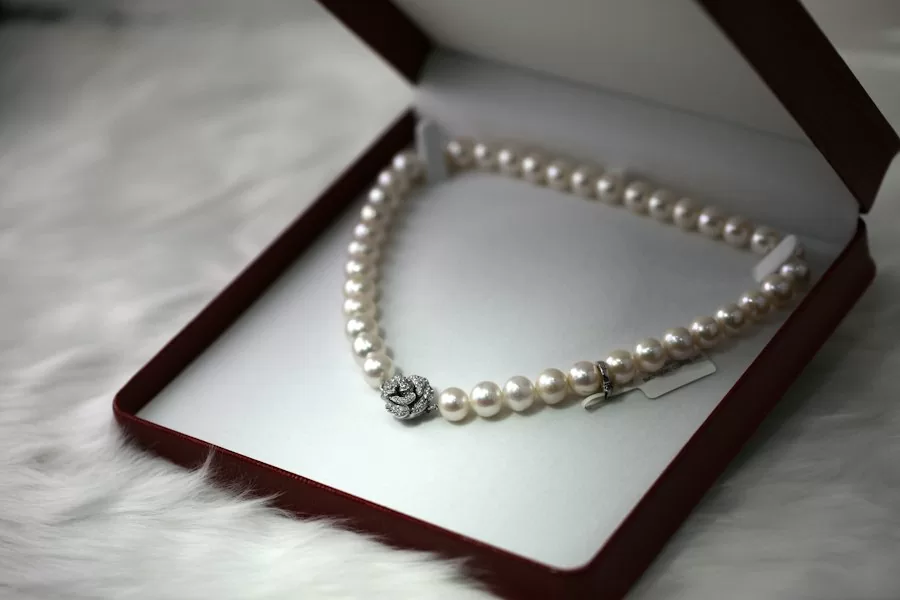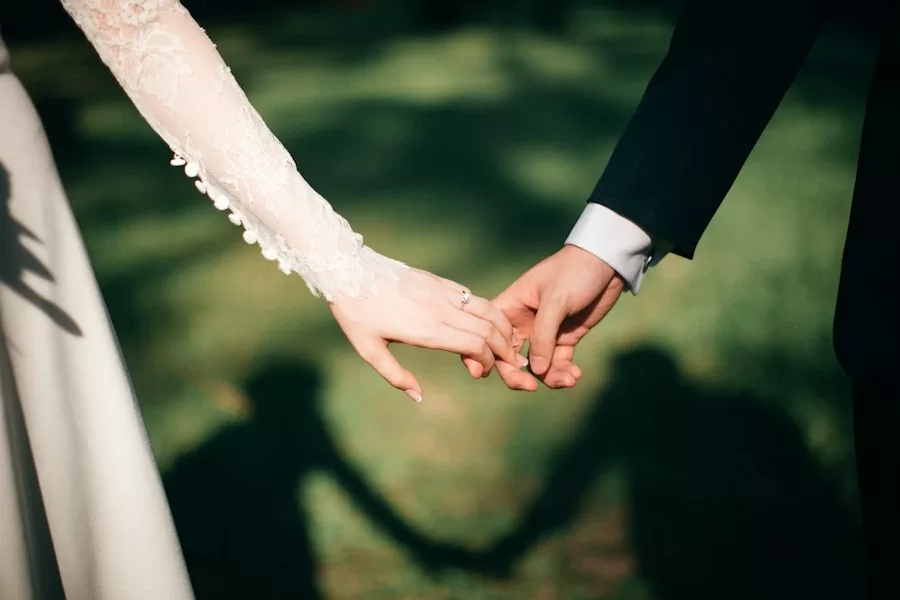
Most retailers think of moissanite as an engagement-ring category, and that is leaving money on the table. A bride does not only buy one ring. She outfits herself, her mothers, and her bridesmaids—and she often does it in a single coordinated shopping trip. Bridal-party jewelry is a multi-unit sale that repeats with every wedding you touch. A focused moissanite collection for that moment can become one of the easiest revenue streams in your store.
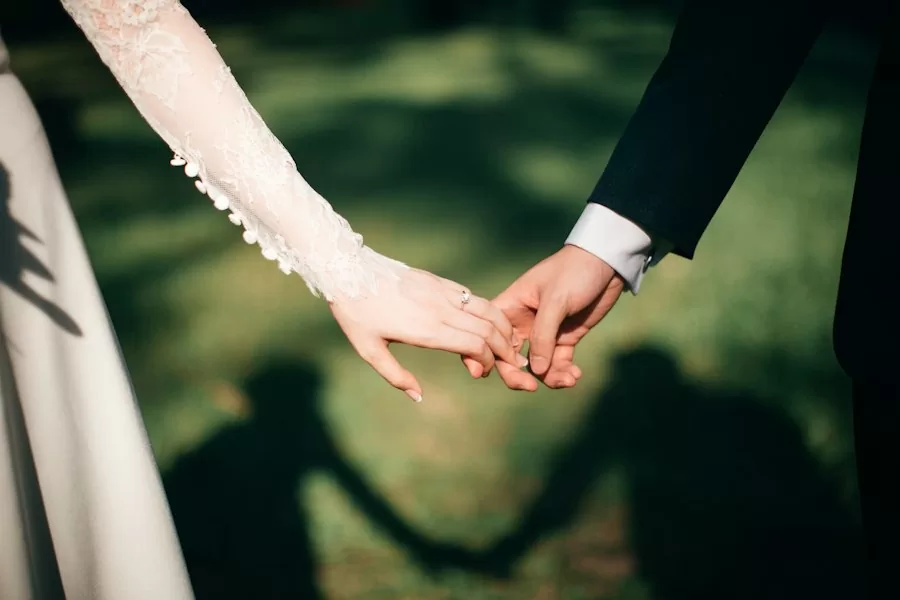
Why moissanite fits the bridal-party moment
Bridesmaids pay for their own dresses, travel, and often their jewelry. A bride wants her party to look pulled together without asking each friend to spend diamond money. Moissanite studs, pendants, and slim tennis bracelets deliver the same bright, coordinated sparkle at a price that feels fair for a gift. The pieces are durable enough to wear again and again after the wedding, which makes them feel like a real gift rather than a costume throwaway.
For the retailer, this is ideal inventory. You are not selling one emotional, high-stakes engagement ring. You are selling four to eight matching accessories at accessible prices, in styles the bride has already chosen. The decision is fast, the margin is solid, and the transaction happens while the customer is already in a buying mood.
The three pieces to stock
Start with three SKU families. First, moissanite stud earrings—4mm to 6mm round studs in sterling silver or 14k gold are the universal pick. They photograph beautifully, sit in every bridesmaid's ears, and work for every skin tone. Second, a small solitaire pendant on an 18-inch chain. A 5mm to 6mm stone on a simple bail is elegant, adjustable to necklines, and affordable enough to buy five of. Third, a slim tennis bracelet or a station bracelet for the bridesmaids who want a little more wrist detail.
Keep these in a small range of metals—white, yellow, and rose gold-filled or solid—and let the bride mix within one metal for cohesion. Depth in three families beats a scattered wall of unrelated pieces, because the buyer is looking for "matching," not browsing.
How to merchandise the group sale
Set up a dedicated bridal-party tray near the engagement case. When a bride says yes to a ring, walk her to the tray before she leaves. Frame it as the easy next step: "Your party can wear these to the rehearsal dinner and the reception, and they will actually wear them again." Offer a small volume discount for four or more pieces—that nudge is often the difference between a single pendant sale and a set of eight.
Keep sizing simple. Studs and pendants need almost no sizing. Bracelets benefit from a couple of adjustable lengths or a small extension chain so you do not lose sales over a wrist measurement. This is one area where tight inventory discipline matters: you want enough units of the fast sellers to fill a group order without tying cash in slow variants. Pre-pack the most popular stud-and-pendant combo into a small gift-ready set so a bride can grab it without assembling pieces herself. The less decision-making at the counter, the faster the group order closes.
Extend the moment to mothers and the rehearsal dinner
Do not stop at bridesmaids. Mothers of the bride and groom often want something that feels special but not competing with the bride. Slightly larger studs or a small halo pendant positions perfectly here. Offer the bride a "gift suite" that includes her ring, the bridesmaid studs, and a mother's pendant—all coordinated, all in one appointment. That single conversation can turn a $1,200 engagement sale into a $3,500 wedding-week transaction.
Because these pieces are affordable, they also make excellent impulse and online sellers. Photograph the studs and pendants on models in bridal styling, and you will pick up brides shopping from home who could never visit your store. A clean product shot that shows the fire does more for this category than any discount.
Seasonality matters here too. Bridal-party buying peaks in the spring and early fall wedding seasons, so build your assortment and marketing about eight weeks ahead. Stock the trays by February for spring weddings and by August for fall. Retailers who time it right walk into the busiest months with fresh stock and staff already trained on the group-sale pitch; those who wait until the bookings roll in are caught empty-handed.
The repeat factor
Here is the part most retailers miss: the bridesmaid who receives those studs becomes a future customer. She wore beautiful moissanite to a friend's wedding, noticed how well it held up, and when it is her turn to get engaged, she remembers your store. Stocking the bridal-party tier today is how you buy tomorrow's engagement-ring traffic. Buy in modest quantities, keep the styles classic, and let the weddings come to you. Over a single busy season, a small bridesmaid assortment often pays for itself several times over in repeat business alone.
Independent background on moissanite — how its hardness and refractive index compare with diamond — is documented in the Wikipedia article on moissanite.
Frequently Asked Questions
Is moissanite a good diamond alternative for retail buyers?
Yes for price-sensitive customers who want brilliance and hardness. Moissanite ranks 9.25 on the Mohs scale, holds up to daily wear and costs a fraction of a natural diamond of the same size, so it resells fast in bridal and fashion lines.
What is the minimum order for wholesale moissanite?
MOQ starts at 50 pieces per design for stock items. Custom cuts and private-label settings usually start at 100–300 pieces depending on the mold.
Do you provide certificates with moissanite stones?
Yes. Every parcel ships with GRA or IGI documentation listing carat weight, color grade and cut. We recommend passing the certificate to your end customer for trust.
How long does sample and bulk production take?
Samples ship in 3–5 days. Bulk runs take 15–20 days under 500 pieces, and 25–30 days for custom work.