Every store that sells moissanite engagement rings gets the same ten questions in the checkout chat. The stores that answer them well on the product page convert better and get fewer abandoned carts. The stores that leave shoppers guessing lose the sale to a competitor who wrote the FAQ first. Here are the questions and the answers that hold up.
The payoff of answering these on-page is measurable. Stores that put the top five questions in a visible FAQ block see fewer checkout-chat questions and fewer abandoned carts, because the hesitant buyer finds the reassurance without leaving the page. Pull your own chat logs for a month, list the five questions asked most, and answer those - do not invent generic ones. Answering the exact questions your real buyers type builds trust faster than any polished marketing line.
"Is moissanite a real diamond?"
No. Moissanite is a separate gem, silicon carbide, first identified in a meteorite and now grown in controlled production. It is not a diamond, not cubic zirconia, and not glass. Saying "diamond alternative" is fine; calling it a diamond is not. The FTC Jewelry Guides, 16 CFR Part 23 require the gem to be named accurately, so your listing must say moissanite. moissanite on Wikipedia gives the material background if you want a source to link.
"Will it pass a diamond tester?"
Some older testers read moissanite as diamond because it conducts heat similarly, and dual (thermal plus electrical) testers separate the two. This is why we wrote the full guide on whether moissanite passes a diamond tester. Tell customers honestly that a basic thermal tester can flag it and a multi-tester will identify it as moissanite - never market it as a "diamond impostor that fools everyone."
"Does moissanite hold its value?"
Set expectations early: moissanite is a fashion and engagement purchase, not an investment stone. Resale returns are modest because supply is growing and the gem is affordable. Read honest resale value expectations before you answer, so you do not overpromise. Buyers choose moissanite for the sparkle and price, not for flipping it later.
"Does it come with a certificate?"
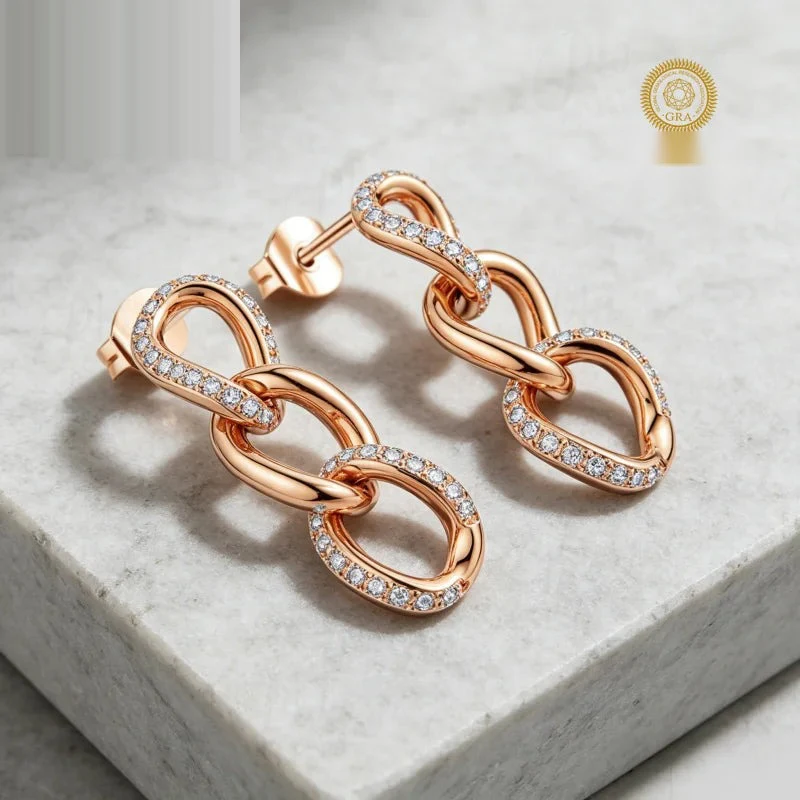
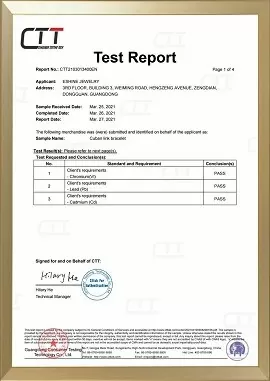
Many graded parcels ship with a GRA-style certificate noting cut, color and carat equivalent. Explain what the certificate does and does not prove - see what a GRA certificate covers. A certificate supports the listing; it is not the same as a diamond grading report from a major lab, and you should not imply it is.
"Will it look like the photo on my hand?"
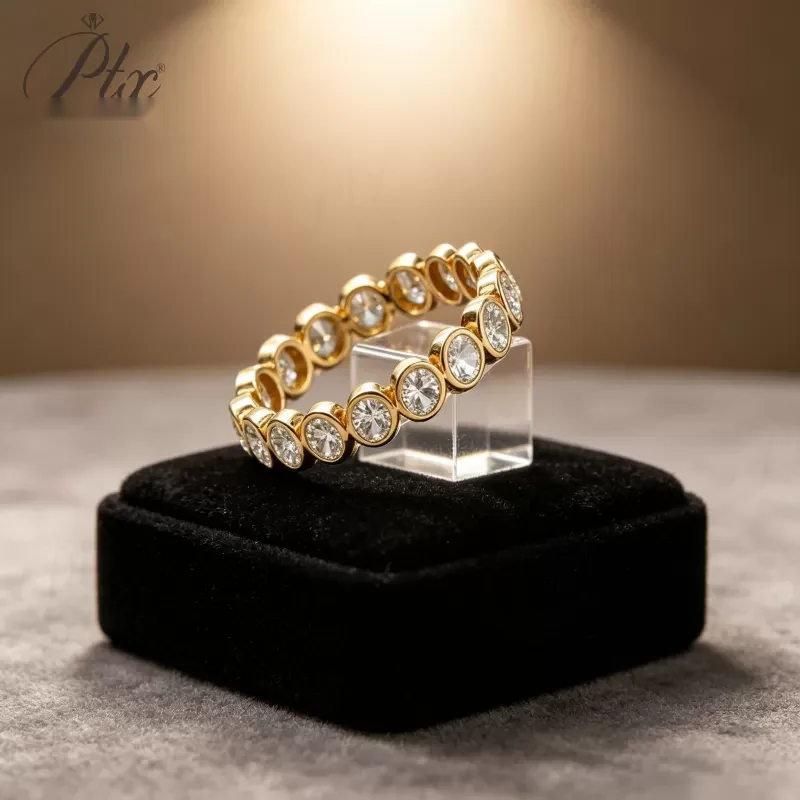
Photos can overstate fire because of moissanite's higher dispersion. Show mm measurements and a hand-model shot, and point shoppers to how product photos are shot. Honest scale in the gallery prevents the "smaller than expected" return.
The answers that build trust
The pattern across all these questions is that trust comes from accurate disclosure, not from overselling. Stores that say "it is not a diamond, it is moissanite, here is how it performs" out-convert stores that lean on vague "just like a diamond" copy. The FTC guides reward that clarity, and customers reward it with reviews.
Add a single line about care to the FAQ even if you cover cleaning elsewhere. Buyers want to know the stone will not cloud, scratch or need special handling, and one honest sentence about warm soapy water and avoiding hard knocks removes a quiet objection. Link to a dedicated care guide for the detail, so the FAQ stays short and the deeper content gets its own page view.
Keep the wording plain. Buyers who ask these questions are nervous, not technical, so short direct answers beat clever copy. A three-sentence answer that sets a clear expectation converts better than a paragraph that hedges. Treat the FAQ as your cheapest salesperson: it answers the same hesitant questions around the clock while your team sleeps, and it removes the friction that turns a browser into a buyer.
Is moissanite durable enough for an engagement ring?
Yes. At about 9.25 on the Mohs scale, it wears daily better than most gemstones below it. Avoid hard knocks to pavilion edges, which can chip.
Does moissanite change color over time?
No. It does not cloud or yellow with age. Warm soapy water and a soft brush are enough for cleaning.
Can I upgrade later?
Many resellers offer a trade-up policy on the setting, not the stone. Ask your supplier whether finished settings can be re-stoned when you scale your program.
What carat size should I list?
List mm and the carat equivalent side by side. A 6.5mm stone is roughly 1ct equivalent; say so plainly to cut size confusion.
HOLYCOME supplies graded near-colorless moissanite for engagement rings, with spec sheets and certificates your FAQ can reference. Order a sample to photograph and quote accurately, then build your FAQ from real measurements.
Frequently Asked Questions
Is moissanite a good diamond alternative for retail buyers?
Yes for price-sensitive customers who want brilliance and hardness. Moissanite ranks 9.25 on the Mohs scale, holds up to daily wear and costs a fraction of a natural diamond of the same size, so it resells fast in bridal and fashion lines.
What is the minimum order for wholesale moissanite?
MOQ starts at 50 pieces per design for stock items. Custom cuts and private-label settings usually start at 100–300 pieces depending on the mold.
Do you provide certificates with moissanite stones?
Yes. Every parcel ships with GRA or IGI documentation listing carat weight, color grade and cut. We recommend passing the certificate to your end customer for trust.
How long does sample and bulk production take?
Samples ship in 3–5 days. Bulk runs take 15–20 days under 500 pieces, and 25–30 days for custom work.