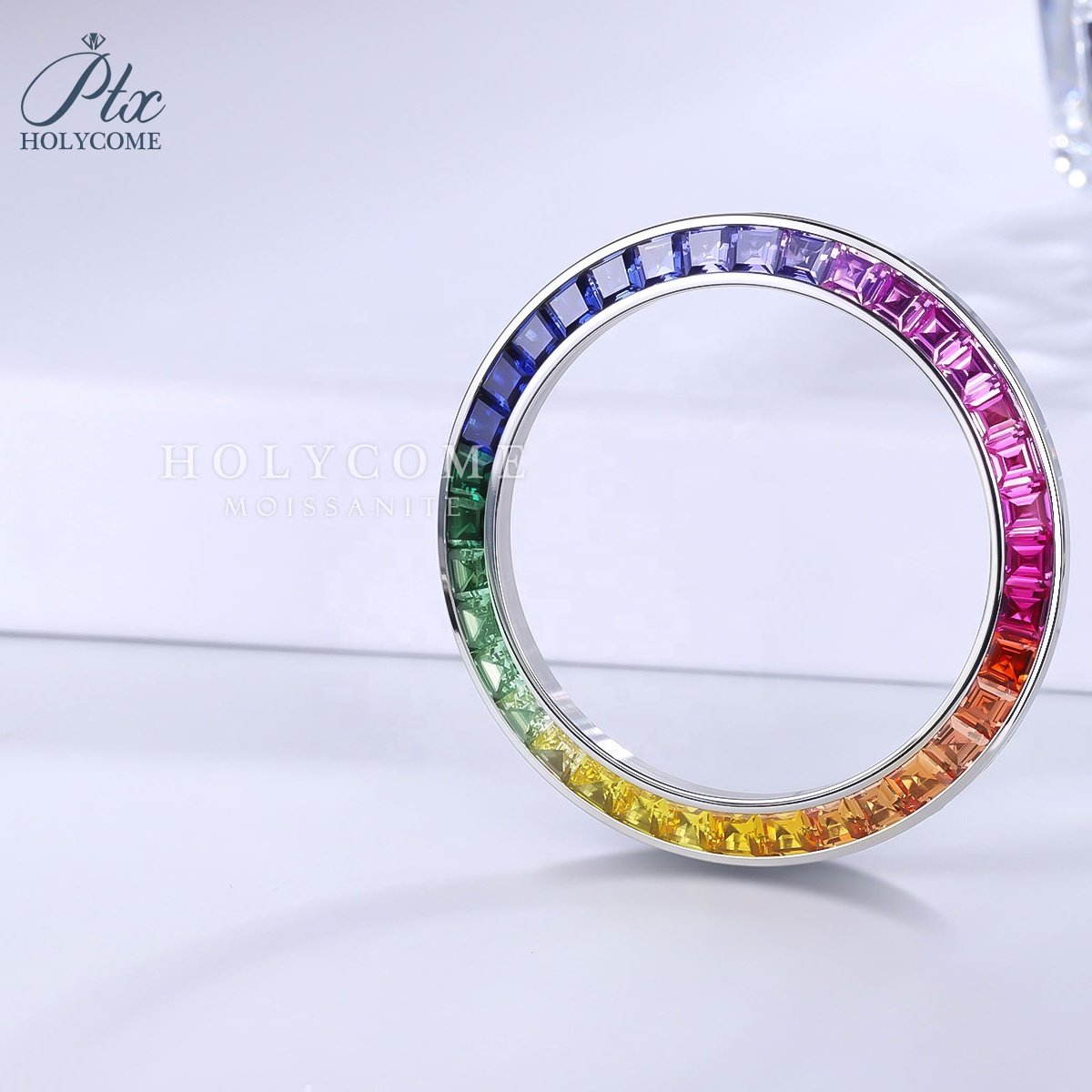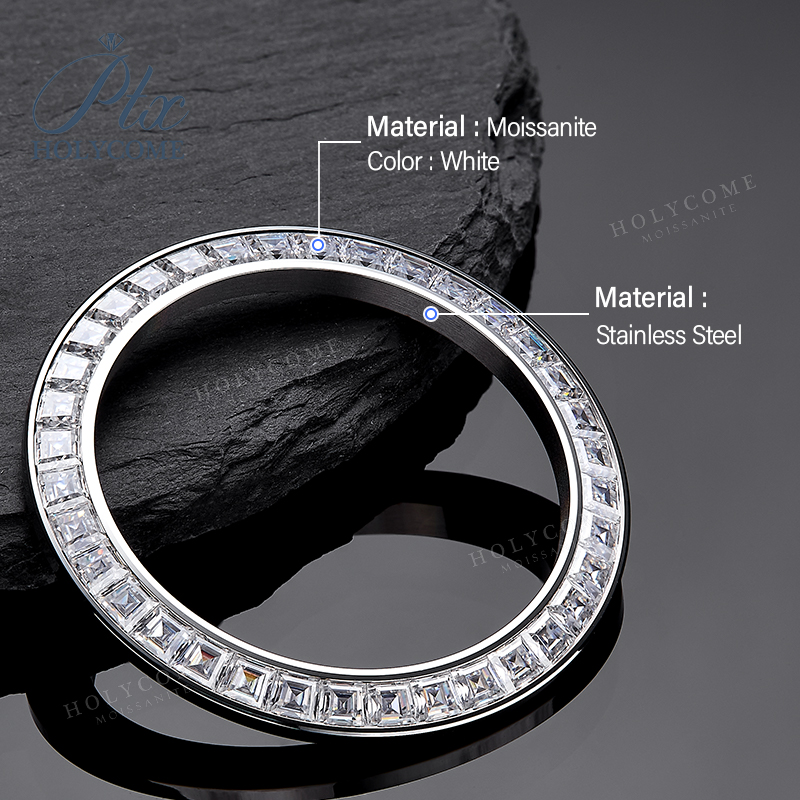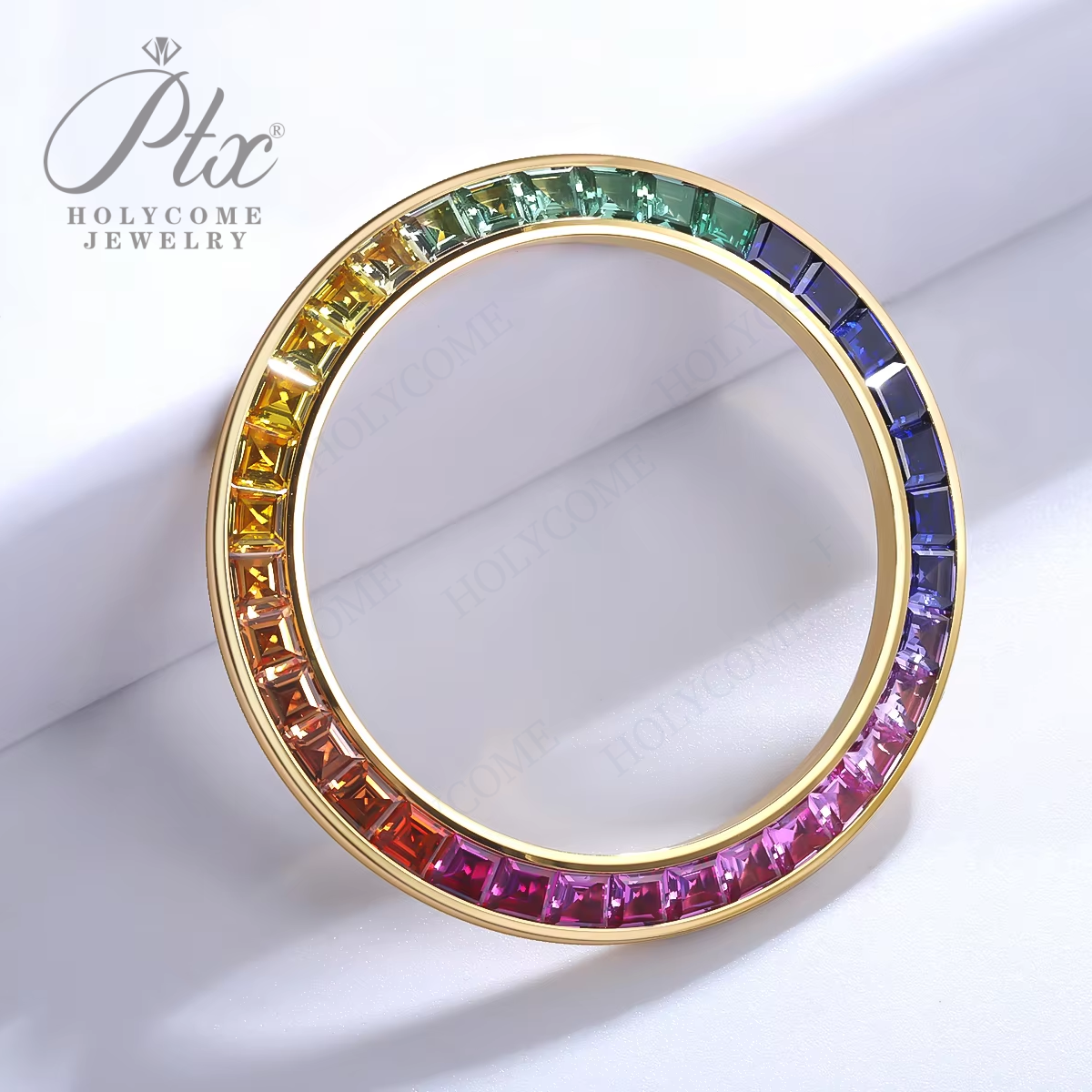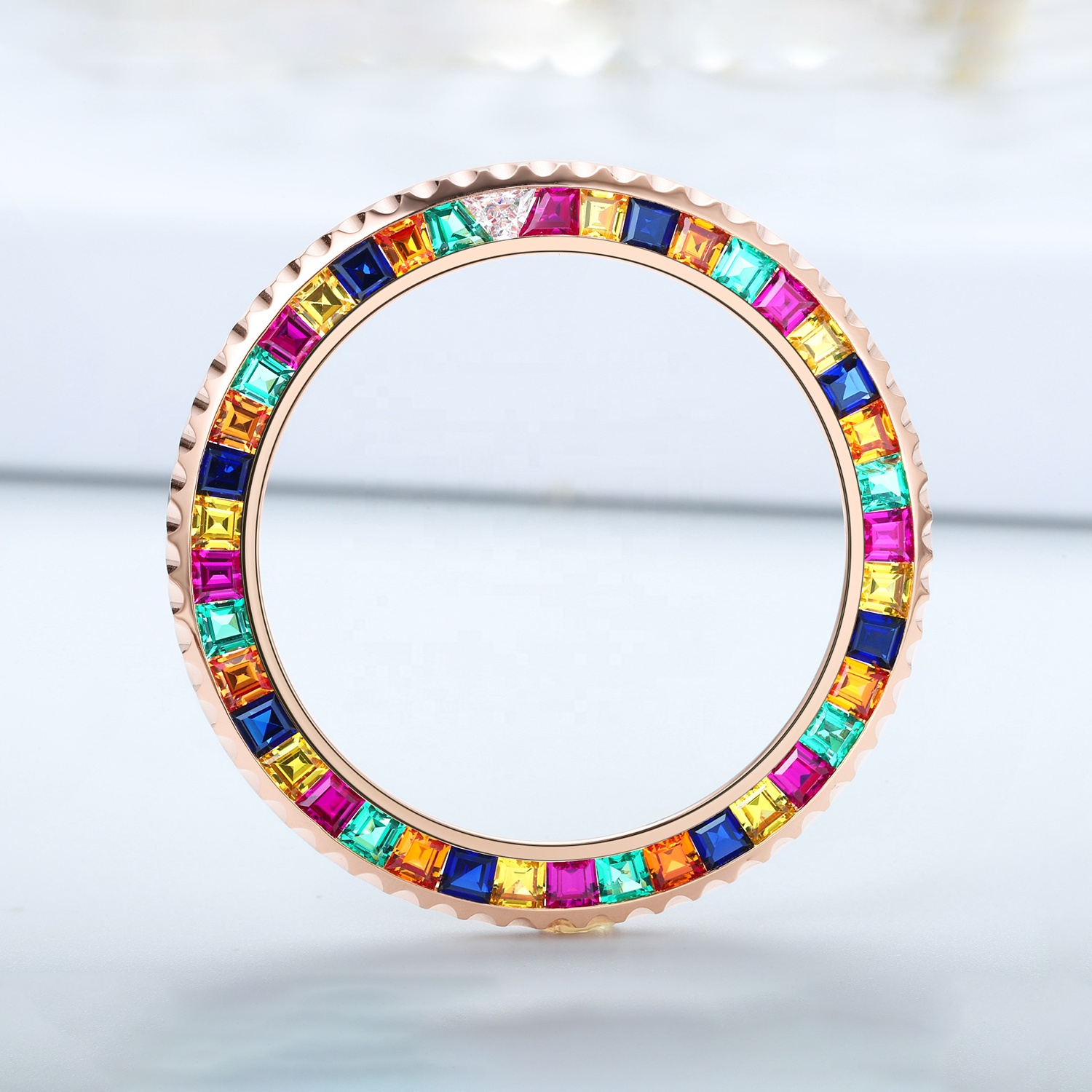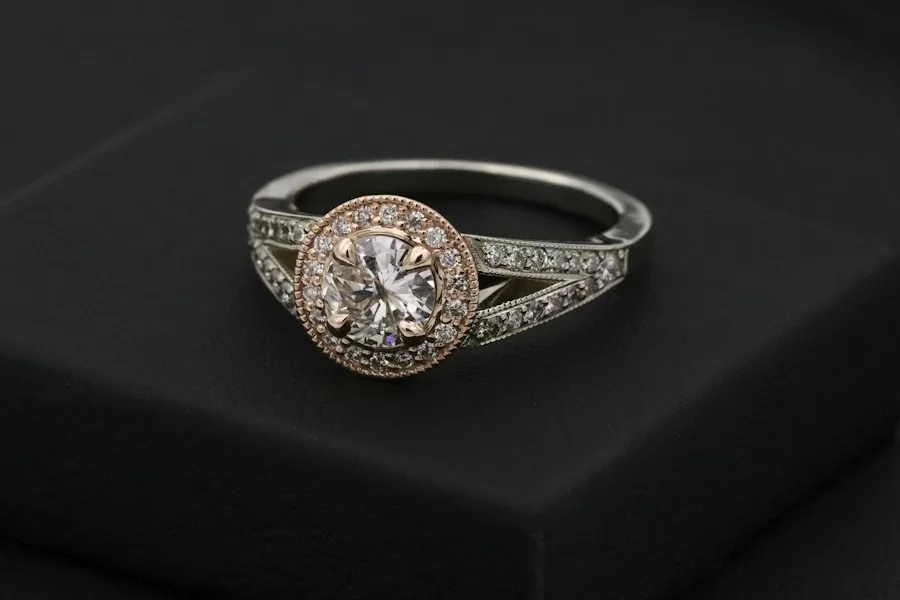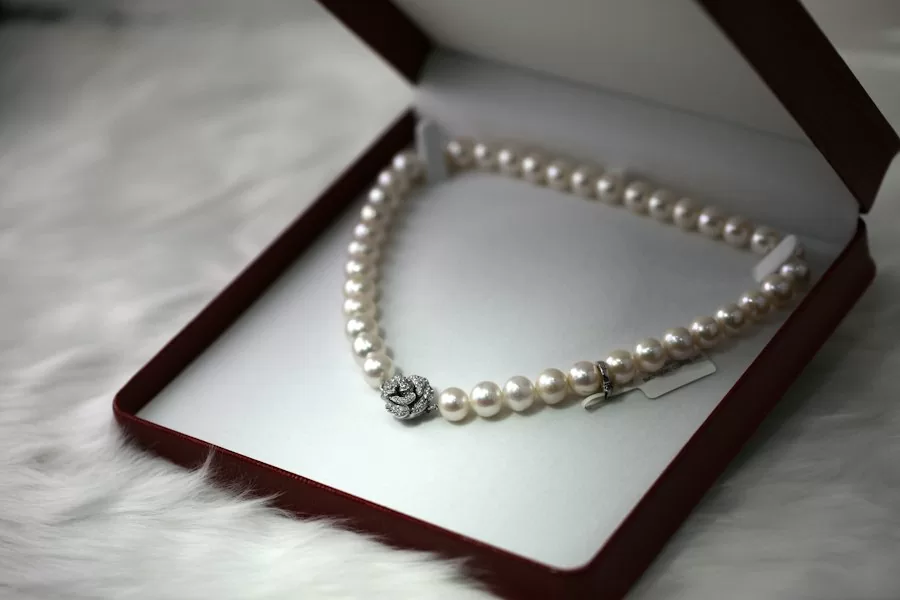
Eternity bands are one of the easiest repeat-sale categories in moissanite. A customer buys one to stack with an engagement ring, then comes back a year later for a thinner band to wear alone, then a few years after that for an anniversary upgrade. But the category is smaller and more technical than it looks. The width of the band, the way the stones are set, and whether the stones run all the way around or halfway decide who each band fits and whether it can ever be resized.
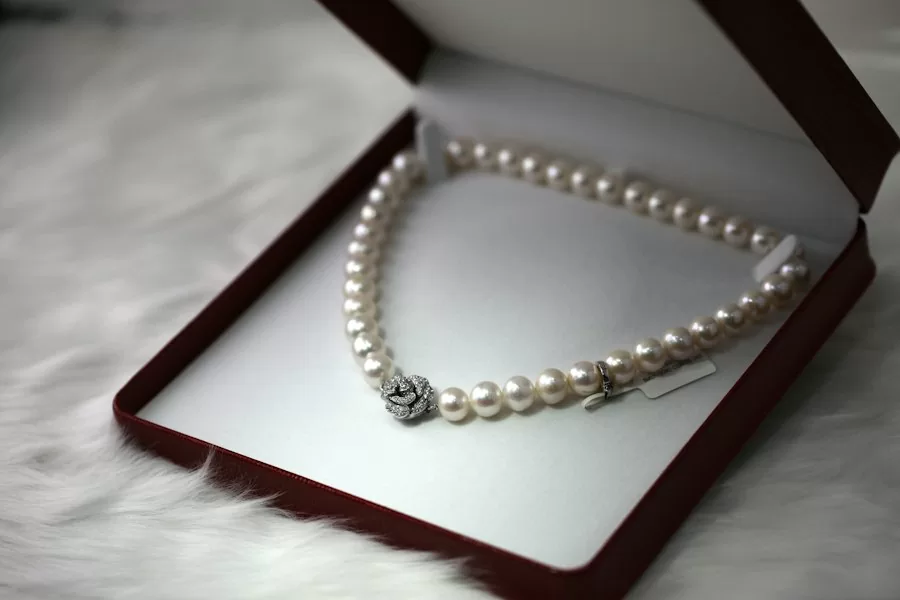
The three widths that actually sell. For retail inventory, focus on three widths and do not over-order the rest. A 2mm band is the dainty option — small stones, almost always 1.3mm to 1.5mm each, worn stacked or as a pinky ring. A 3mm band is the workhorse, with roughly 2mm stones, and it is the width most customers picture when they say "eternity band." A 4mm band is the statement, with 2.5mm to 3mm stones, worn alone on the right hand or stacked deliberately. Anything wider than 4mm starts to look like a piece of armor and sells to a much smaller audience. If you are building a bridal stack, our guide on band fit against engagement rings explains how width changes the sit.
Full eternity versus half eternity. A full eternity band has stones running all the way around the finger. It looks incredible from every angle, but it cannot be resized — the stones would break during the stretching process. A half eternity band has stones across the top and plain metal on the bottom, which means it can be sized up or down by one or two sizes. This is the single most important question to ask a customer before selling one. If they are buying a surprise and you are unsure of the size, default to half eternity. If they know their size and want the full look, sell full eternity and tell them clearly that resizing is off the table. Our resizing guide covers the mechanics your staff can explain.
Setting style changes the daily wear. Prong-set eternity bands let the most light through and show off the fire of each stone, but prongs can catch on hair sweaters and gloves over years. Channel-set bands tuck stones between two rails, which is smoother against the skin and more secure, but each stone reads slightly smaller. Pavé sits between the two, with tiny beads holding stones in a flat row. For customers who work with their hands — nurses, chefs, musicians — channel or pavé is the honest recommendation. For customers who want maximum sparkle and minimal daily friction, prong is fine. We cover setting trade-offs in our settings guide.
Mind the metal and the wrist. A 4mm eternity band in 18k gold carries real weight on the finger, and some customers find it heavy after a full day. In platinum, the same band feels denser still — our piece on platinum density explains why. A thinner 2mm band in the same metal feels almost weightless. This is a comfort conversation, not just a visual one. Ask customers what they do with their hands before upsizing the width.
Stocking recommendations for retail. A balanced eternity case for a small store is roughly 50% 3mm half-eternity, 25% 2mm thin stackers, 15% 4mm statement bands, and 10% full-eternity pieces in popular sizes. Most of the volume will come from the 3mm half-eternity in sizes 6 through 7.5. Over-ordering full-eternity pieces in unusual sizes is a classic way to tie up cash in inventory that never moves. For anniversary plays, our piece on anniversary eternity bands covers how to merchandise the gifting angle.
Think about how it sits against the engagement ring. A thick solitaire engagement ring and a thick eternity band on the same finger will not sit flush; they will rock against each other and wear at the edges over time. If the customer already has a wider engagement setting, recommend a thinner eternity band, or a contoured/curved band that is designed to nest. Our guide on contoured versus straight bands covers the fit engineering. If they are building a stack of three or more bands, encourage mixed widths — one thin, one medium, one slightly wider — so the stack has visual rhythm instead of looking like a single thick wall.
Care after the sale. Tell customers that prong-set eternity bands need a prong check every year or two — the repeated flexing of a ring on the finger loosens prongs over time, and a loose stone is a lost stone. A quick check at the jeweler takes minutes. This is also a natural reason to bring the customer back into the store, which is how the next stack begins.
Eternity bands are not just another ring in the case. They are the entry point into a long stack that grows with the customer. Stock the widths thoughtfully, ask the right sizing questions, and the category will quietly become one of the most reliable repeat-sale lines you carry.
For third-party reference, the Wikipedia article on moissanite details moissanite’s discovery, optical properties and use in jewellery.
Frequently Asked Questions
Is moissanite a good diamond alternative for retail buyers?
Yes for price-sensitive customers who want brilliance and hardness. Moissanite ranks 9.25 on the Mohs scale, holds up to daily wear and costs a fraction of a natural diamond of the same size, so it resells fast in bridal and fashion lines.
What is the minimum order for wholesale moissanite?
MOQ starts at 50 pieces per design for stock items. Custom cuts and private-label settings usually start at 100–300 pieces depending on the mold.
Do you provide certificates with moissanite stones?
Yes. Every parcel ships with GRA or IGI documentation listing carat weight, color grade and cut. We recommend passing the certificate to your end customer for trust.
How long does sample and bulk production take?
Samples ship in 3–5 days. Bulk runs take 15–20 days under 500 pieces, and 25–30 days for custom work.