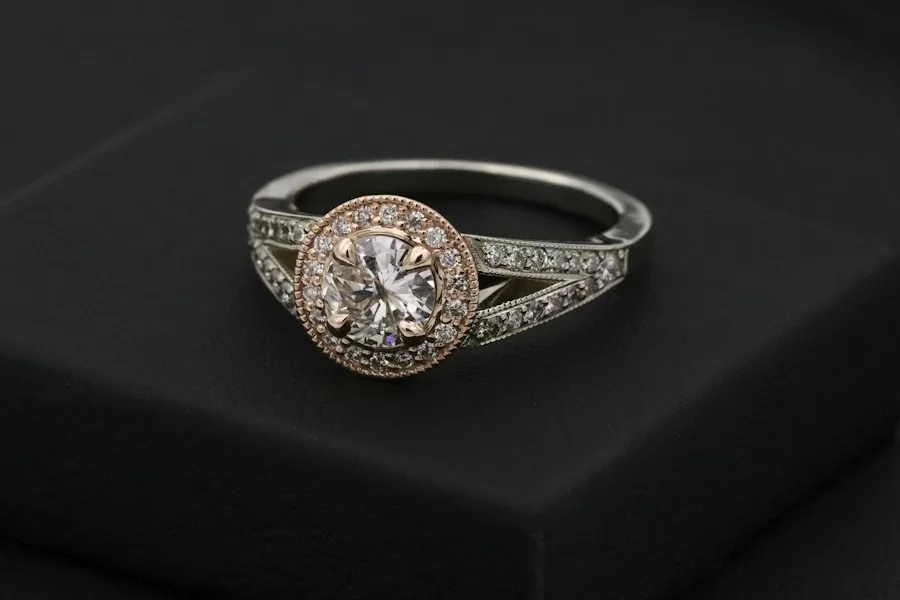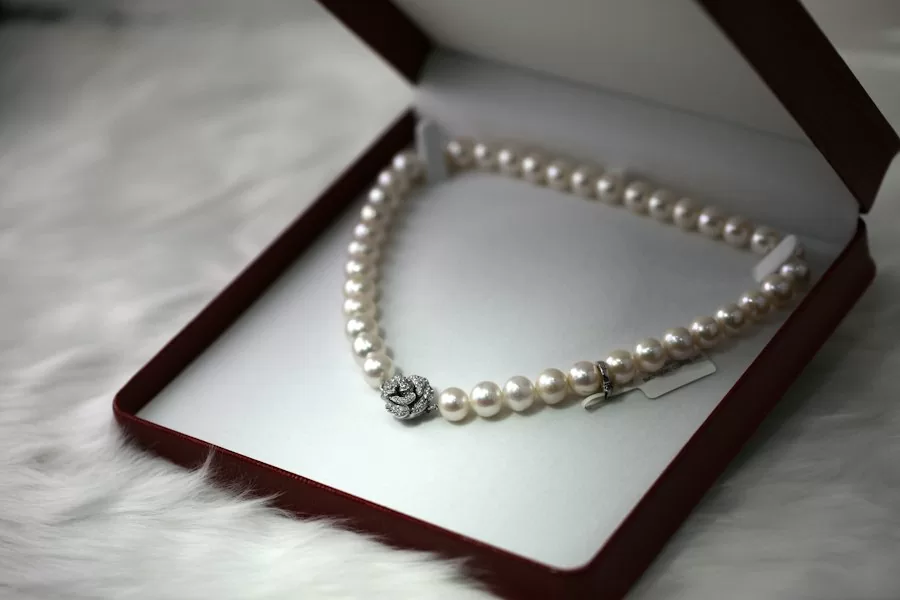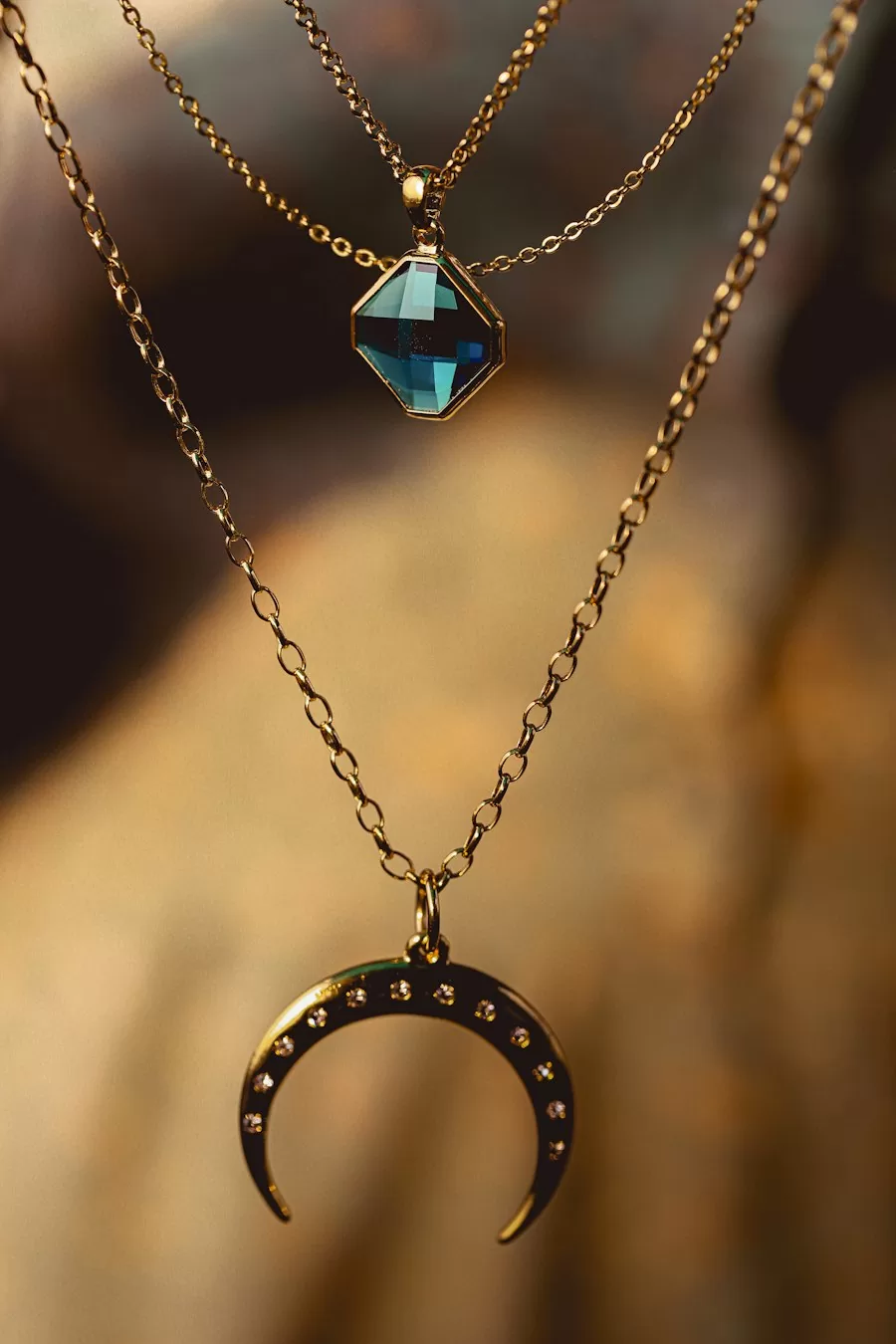
For years, moissanite sat in one corner of the jewelry store: the bridal case. It was the ethical, affordable engagement ring, and retailers merchandised it accordingly. That is changing fast. Driven by the layering and stacking trend, shoppers are now buying colorless stones for their right hand—pieces they wear to work, to dinner, and on weekends, with no proposal attached. For retailers, this is a chance to sell moissanite to customers who will never buy an engagement ring from you.
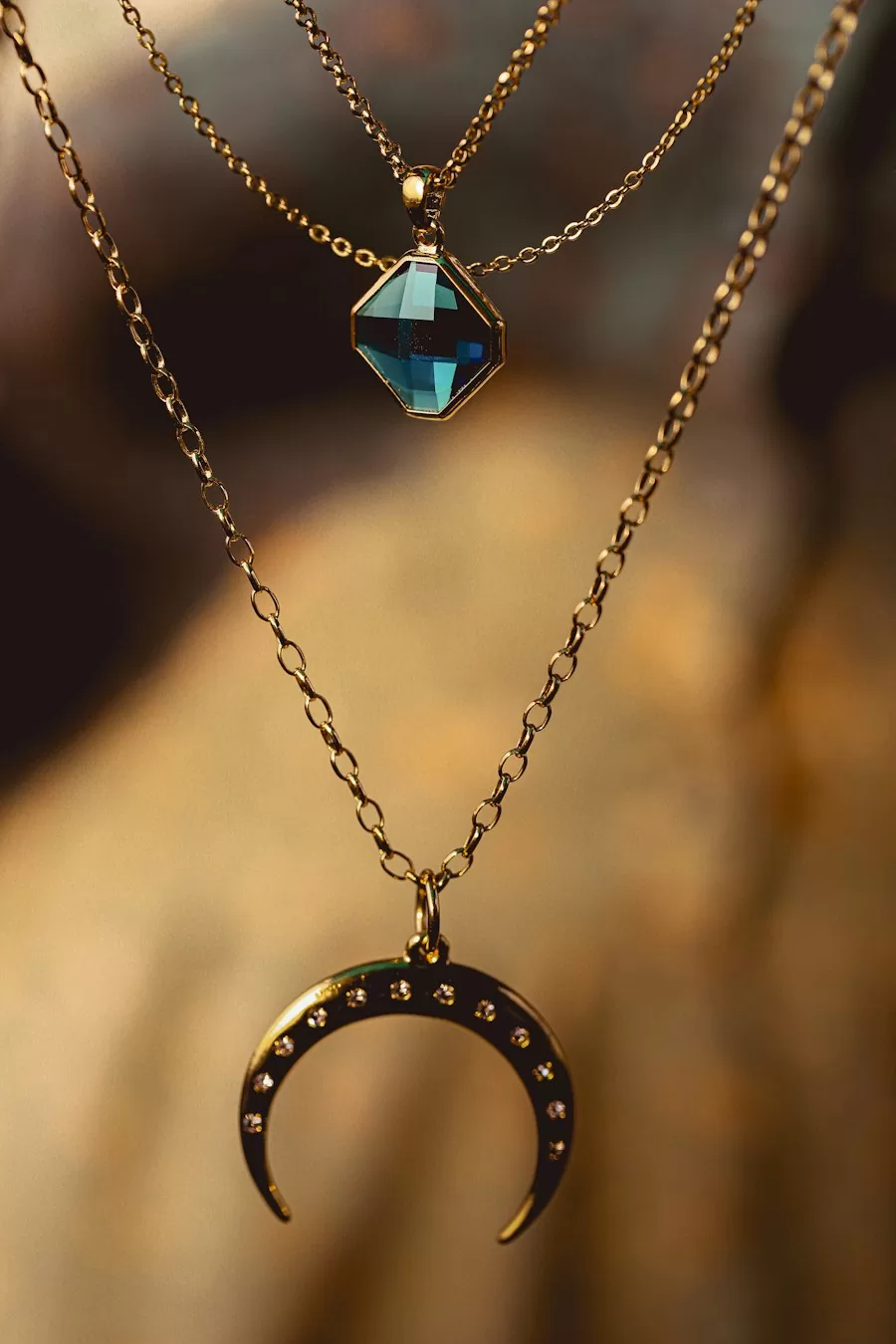
What the right-hand ring buyer actually wants
The right-hand ring is about self-purchase and daily style, not a milestone. Buyers want something that looks intentional but not bridal—no giant solitaires, no halo that reads as "engaged." Instead they want slim bands with a few stones, bezel-set stackers, signet-style faces with a small center stone, and midi rings that layer. The piece should work with a watch, a gold chain, and a blazer. It should not look like it came out of a wedding case.
This buyer is often younger, digital-native, and comfortable buying jewelry online. She researches materials, cares about ethical sourcing, and wants pieces she can mix rather than a single "special" object. Moissanite fits her values perfectly: lab-created, conflict-free, durable enough for daily wear, and priced so she can buy three.
Three fashion styles that move
First, the bezel-set stacker. A 3mm to 4mm moissanite wrapped in a smooth bezel sits flush with the finger, catches light softly, and stacks against plain bands. It is the most universally flattering everyday piece in the category. Second, the slim pavé band—a half-eternity look on a thin 1.5mm to 2mm shank that reads delicate rather than bridal. Third, the open or twisted bypass ring with a small center stone, which gives a designer silhouette at an accessible price.
Source these in 14k gold and recycled-looking finishes to keep them in step with current vintage-inspired and quiet-luxury styling. Avoid the super-bright, high-carrier solitaire look—that belongs in the bridal case and confuses the fashion buyer who is deliberately avoiding it. Think about stacking height too. A bezel ring sits low and nests against a plain band, while a high-set stone catches on sweaters and keyboards. For everyday wear, low-profile settings sell themselves because customers can actually picture wearing them to a desk job.
Price them as treats, not commitments. At $150 to $450, a right-hand ring is an impulse a buyer can justify to herself. That is a different emotional register from a $1,000 engagement decision, and your merchandising should match it: bright, friendly signage, mix-and-match trays, staff who encourage trying on three at once rather than inspecting one. The goal is a stack that looks good by the time the customer reaches the mirror, because that is when she decides to buy the whole set.
Merchandise it separately from bridal
The biggest mistake retailers make is stacking these rings next to engagement solitares. Suddenly the fashion buyer sees prices double and assumes the whole category is "engagement money." Create a separate right-hand or everyday section—a tray, a counter display, or a dedicated online collection. Price points between $150 and $450 work well here, low enough for self-purchase and high enough to feel like fine jewelry rather than costume.
Train staff to cross-sell. A customer buying a moissanite engagement ring will often also love a matching right-hand band she can wear alone. A customer coming in just for a gift can be shown the stackers as a treat for herself. Right-hand stacks are one of the cleanest ways to lift average order value, because the buyer keeps adding "just one more ring" as she tries them on.
Why this trend is durable, not a fad
Stacking and self-purchase jewelry have been building for several seasons, and they align with longer shifts: women's earnings, ethical consumption, and the decline of the single-status symbol. The right-hand ring is not going to disappear when the next trend cycle turns. What will change is which silhouettes are hot—oval centers one season, emerald cuts the next. Keep your core stackers steady and refresh the statement shapes twice a year.
The cross-sell opportunity is worth spelling out. A customer who comes in for a bridal set will often add a thin plain band she can wear on her right hand on ordinary days. A customer buying a gift for a birthday will, once she sees the stackers, pick up one for herself as well. Staff who understand that every transaction has a "treat yourself" moment attached will lift ticket size without ever pushing a harder sale.
Moissanite earned its place in bridal because it solved a real problem: brilliant stone, honest price, ethical story. The fashion ring market is the same problem with a bigger addressable audience. Retailers who build a small, well-styled right-hand collection now will own that customer long before the wedding season ever arrives. Start with two or three stacker styles, photograph them layered on a hand, and watch which ones sell before you widen the range. A focused, curated section always outperforms a scattered wall of random rings.
Independent background on moissanite — how its hardness and refractive index compare with diamond — is documented in the Wikipedia article on moissanite.
Frequently Asked Questions
Is moissanite a good diamond alternative for retail buyers?
Yes for price-sensitive customers who want brilliance and hardness. Moissanite ranks 9.25 on the Mohs scale, holds up to daily wear and costs a fraction of a natural diamond of the same size, so it resells fast in bridal and fashion lines.
What is the minimum order for wholesale moissanite?
MOQ starts at 50 pieces per design for stock items. Custom cuts and private-label settings usually start at 100–300 pieces depending on the mold.
Do you provide certificates with moissanite stones?
Yes. Every parcel ships with GRA or IGI documentation listing carat weight, color grade and cut. We recommend passing the certificate to your end customer for trust.
How long does sample and bulk production take?
Samples ship in 3–5 days. Bulk runs take 15–20 days under 500 pieces, and 25–30 days for custom work.