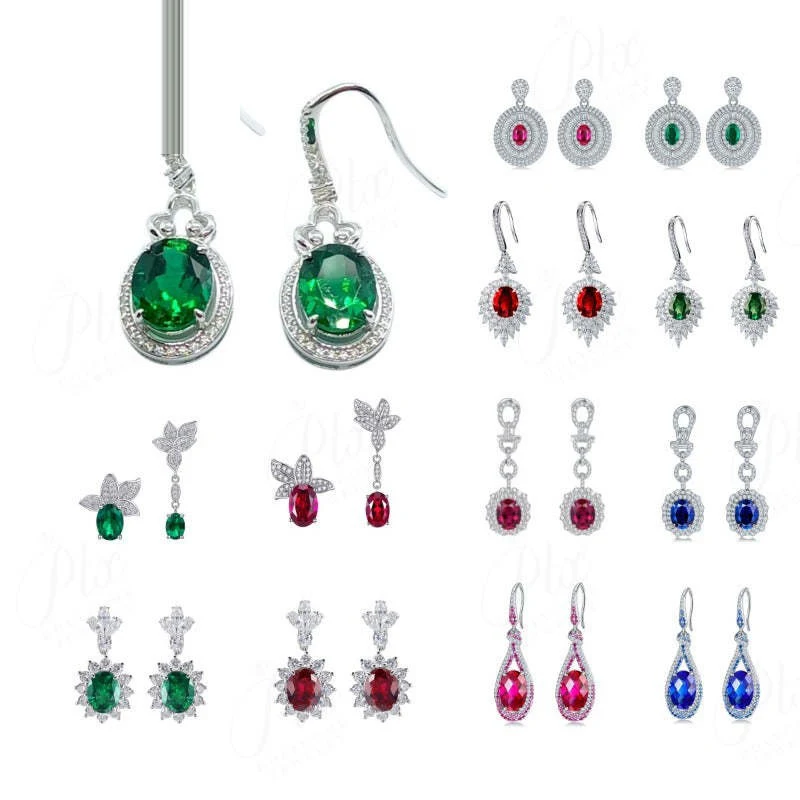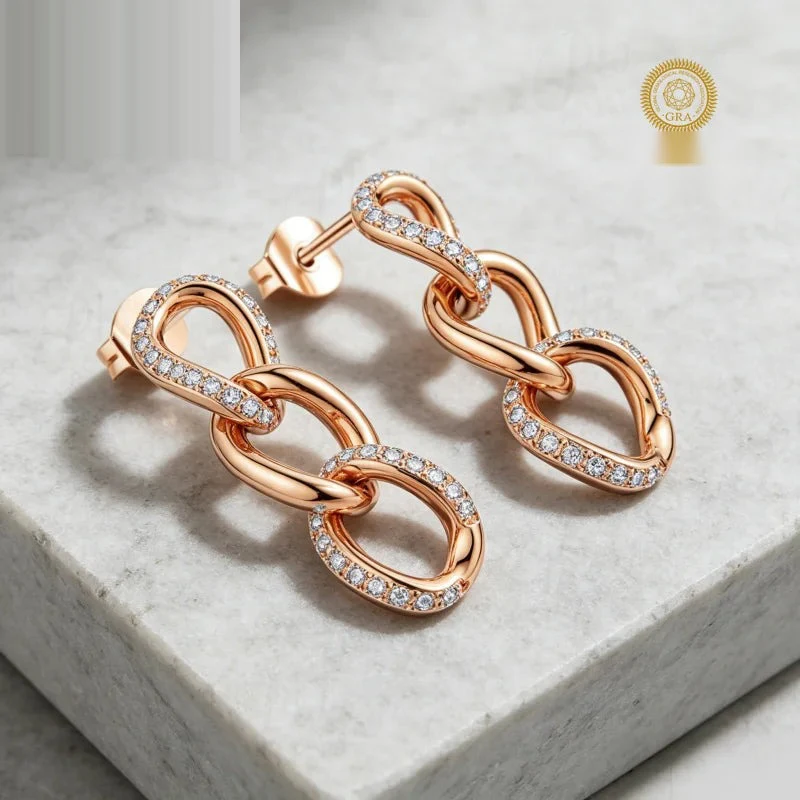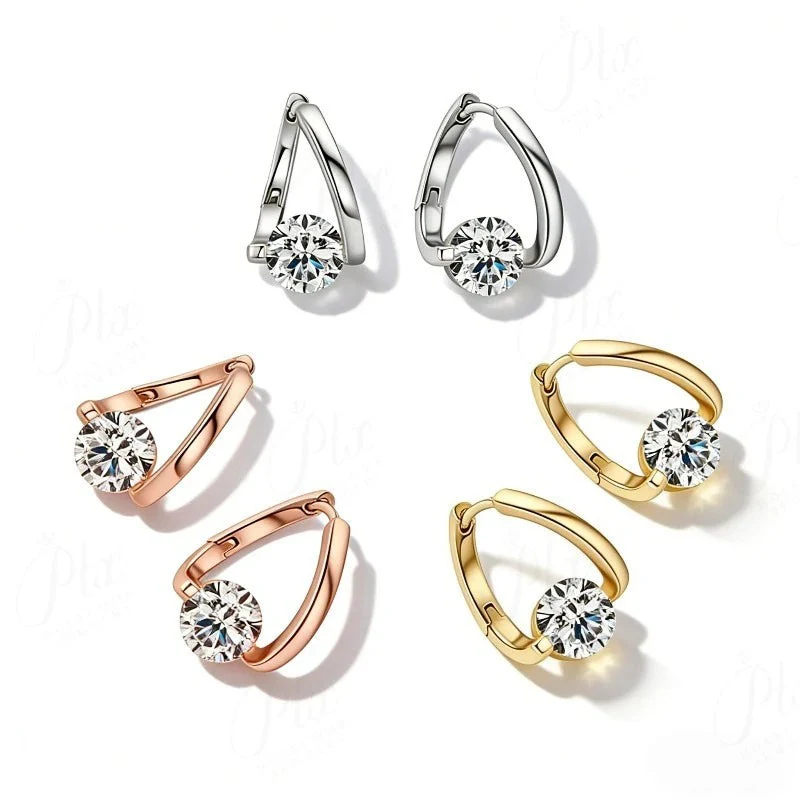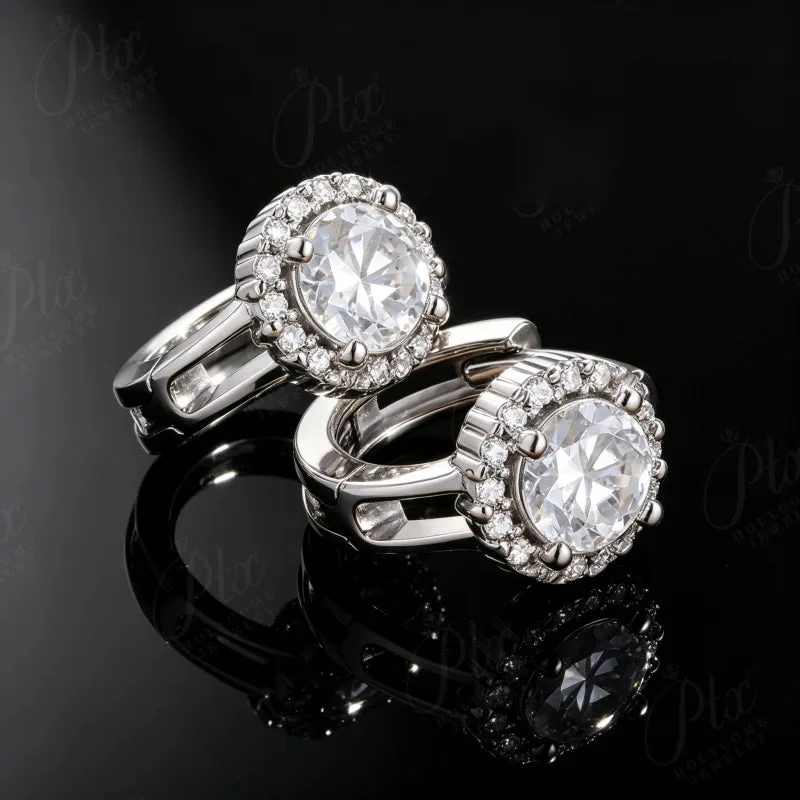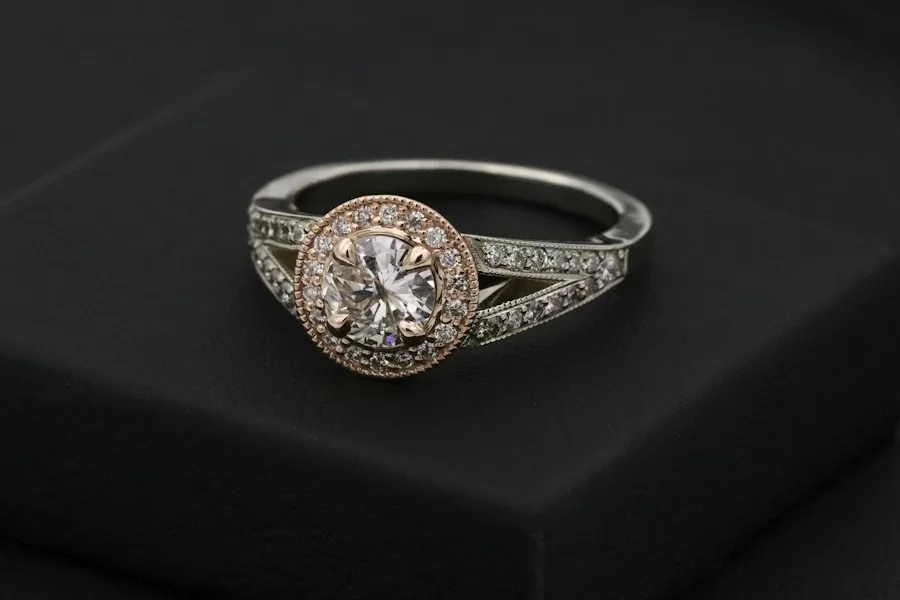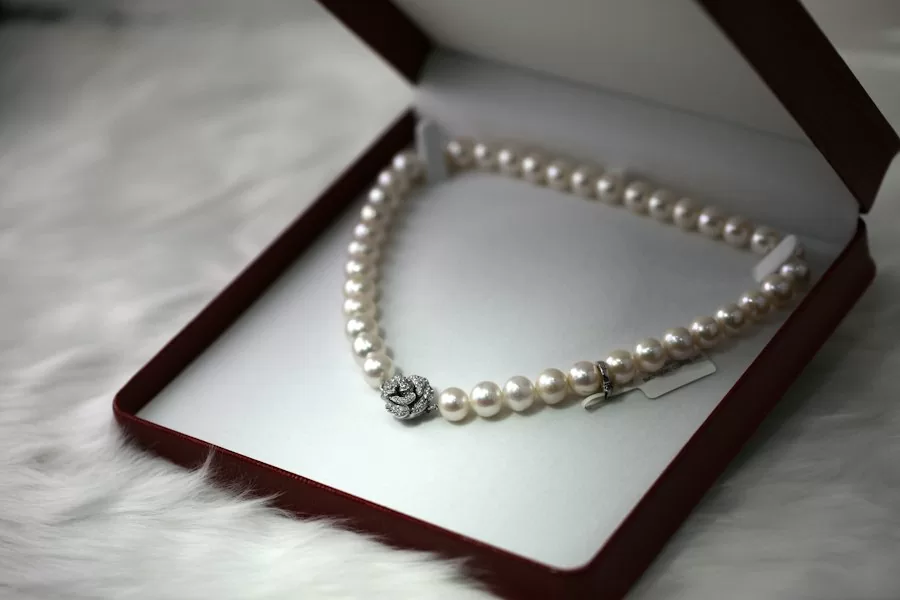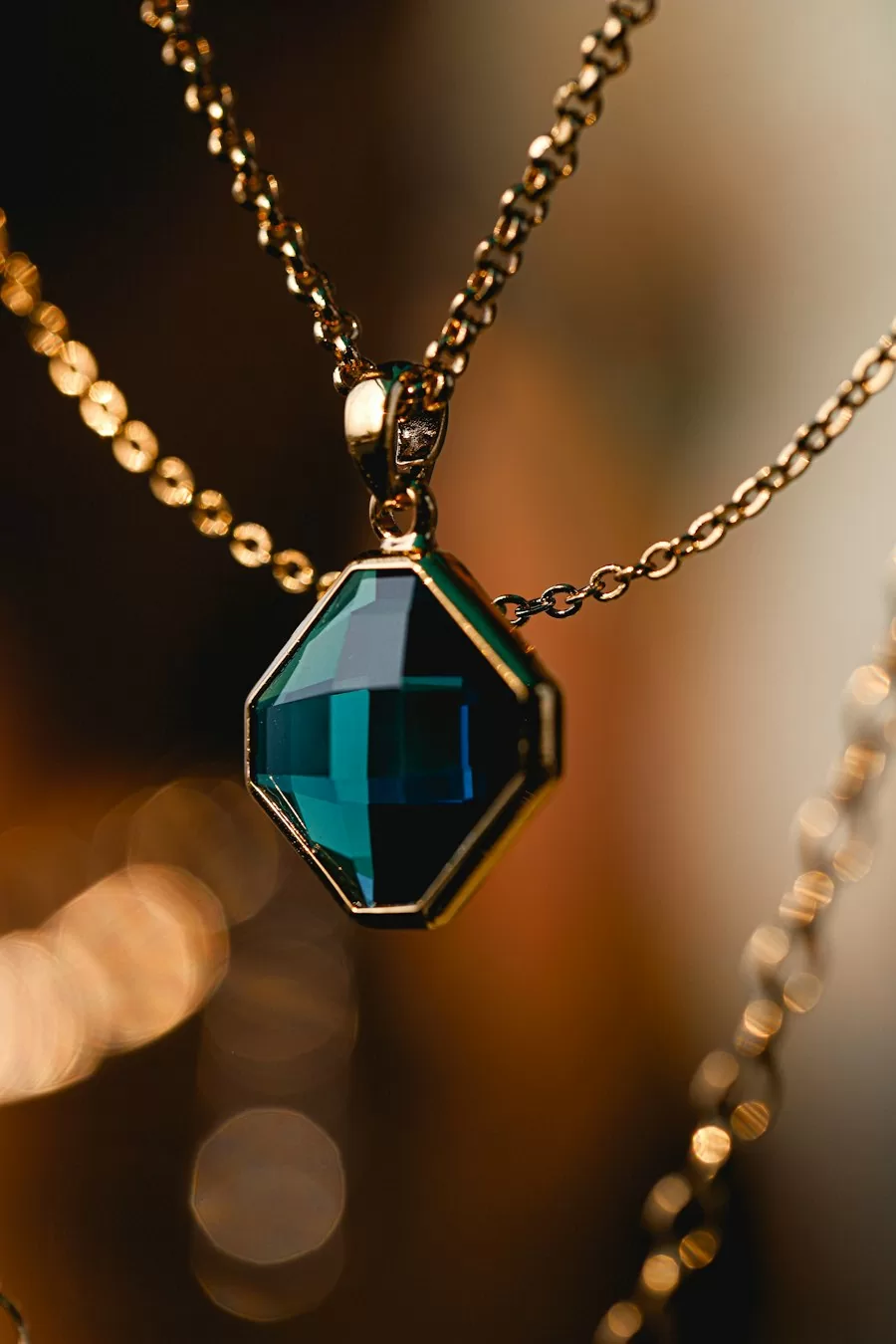
Of every category a moissanite retailer stocks, stud earrings are the quiet workhorse. They are affordable enough for a first purchase, classic enough to gift in any season, and small enough that price sensitivity rarely kills the sale. Yet buyers routinely mis-stock them: too many tiny stones, too few in the size people actually wear, and too much metal in a color their local customer never chooses. This guide walks through the decisions that actually move units.
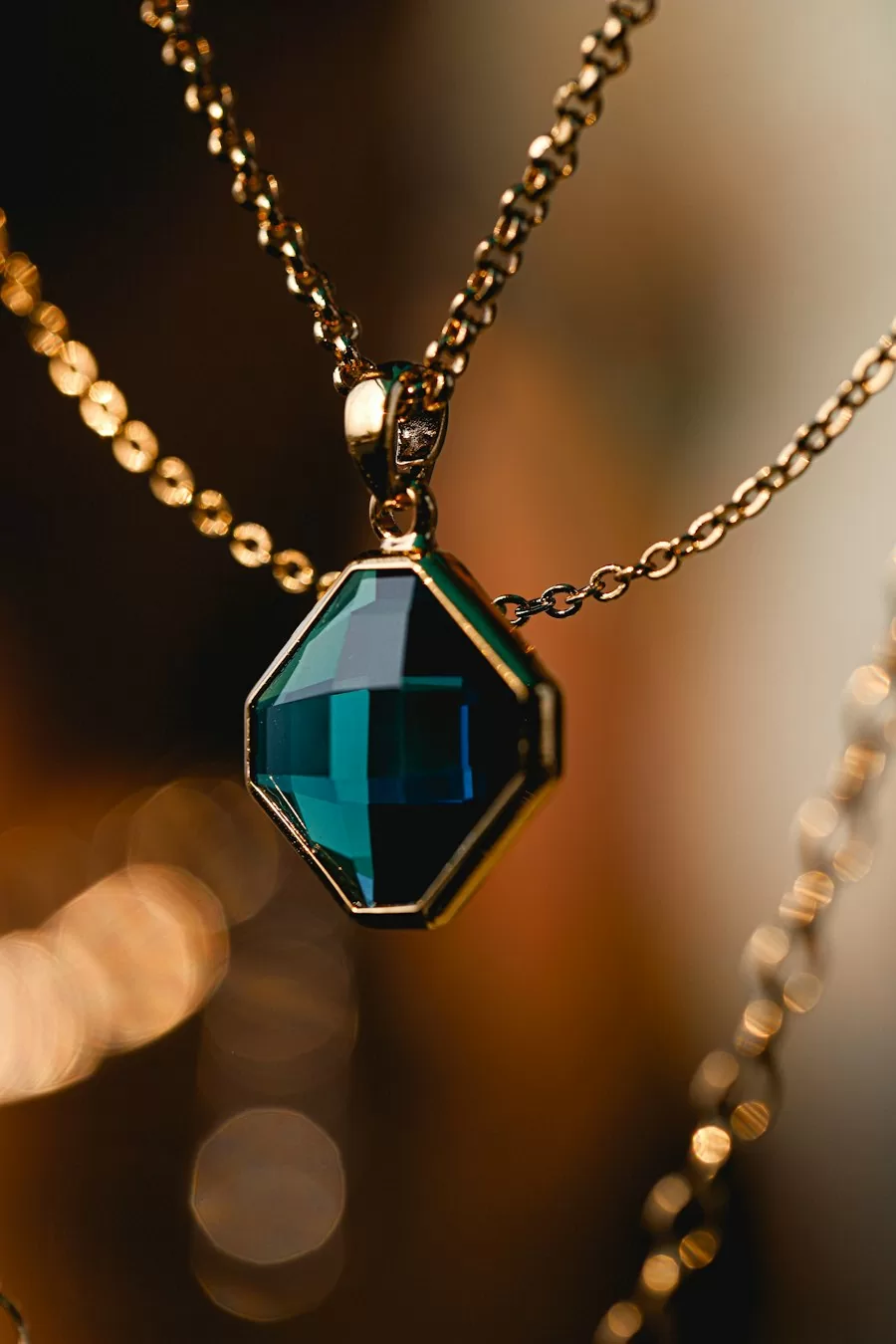
Size is the single most important decision
Moissanite studs are sold by stone diameter in millimeters, not carats, and that measurement drives the entire price ladder. The sizes that sell reliably at retail cluster in a narrow band:
- 3mm to 4mm: the everyday, under-$200 gift size. Best for second-pierced ears and young buyers.
- 5mm to 6.5mm: the workhorse core. A 6.5mm round reads as one carat total weight and is the size most adults picture when they picture diamond studs.
- 7mm to 8mm: the statement step-up. Higher ticket, strong margin, slower turnover.
If you stock only one size, make it 6.5mm. It is the size brides, graduates, and anniversary buyers reach for. Use the mm-to-carat equivalents on our size comparison chart to explain the value to customers who only think in carats.
Pick your metal mix to your market
White gold, yellow gold, and platinum do not sell in equal proportion across every store. Northern US and coastal buyers skew white; southern and traditional markets skew yellow. Before you reorder, pull your own sales history for the last twelve months rather than guessing. A common starting ratio for a new account is 60% white, 30% yellow, 10% rose.
For wholesale, 18k gold gives you a story you can actually tell at the counter. It polishes to a deeper finish than 10k or 14k and carries the hallmark weight customers expect from a fine-jewelry purchase. If your customer base is price-led, 14k is a fair entry; if it trades on perceived quality, 18k protects your brand. Read our breakdown of 18k gold before you commit to a metal tier.
Backs matter more than buyers think
A lost stud is a lost customer. Butterfly backs are standard but loosen over time. Push backs with a notched post hold better, and screw backs are the safest for larger stones. For 7mm and up, offer screw backs as a standard or upsell option. The cost difference from the factory is small; the difference in returns and complaints is not.
Also consider earring weight. Larger moissanite on thin posts pulls forward and irritates sensitive lobes. A slightly heavier post and a wider backing distribute the weight. Customers notice comfort immediately, and a comfortable stud is one they wear daily, which means they see your brand every morning.
Pricing for margin and reorders
Stud earrings carry healthy markups because the stone cost is a small fraction of the retail price. Set your retail price with enough headroom for promos, gift-with-purchase, and a bridal discount. A clean structure looks like this:
- Cost-based wholesale price multiplied by 2.0 to 2.4 for a normal retail ticket.
- Reserve the deepest discount for bundling studs with a pendant or bracelet, never for discounting studs alone.
- Keep at least one price point under $199 as a door-opener; it brings in buyers who then trade up to the 6.5mm pair.
What to watch when inspecting stock
Because studs are small, defects are easy to miss under store lighting. Check that both stones in a pair match in size and color, that the posts are straight, and that the baskets sit flush against the ear. Any visible prongs catching skin should be finished smooth before they reach the case. Our receiving checklist in the inbound QC guide keeps these catches consistent across every shipment.
Seasonal demand patterns
Studs sell year-round, but demand spikes are predictable. February and graduation season in May bring gifting buyers looking for the under-$250 tier, while November and December pull couples upgrading to the 6.5mm and 8mm pairs. Plan your reorder so the entry-tier sizes are stocked deep from late January onward, and the larger statement pairs are in the case by mid-October. Studs also pair naturally with pendant and bracelet gifts, so train your staff to suggest a matching set at the register. A customer who came in for a $99 pair of studs often leaves with a $350 set once she sees the coordinated look on.
Buy two sizes deep, not ten sizes wide
New buyers spread their budget across too many sizes and end up with shallow stock in every one. The better move is depth in 5mm and 6.5mm, one tray each of 4mm and 8mm, and a single pair of screw-back statement studs to anchor the category. When the 6.5mm white-gold pair sells, you reorder that exact SKU. Studs turn quickly when you stock the sizes people actually wear and skip the rest.
Independent background on moissanite — how its hardness and refractive index compare with diamond — is documented in the Wikipedia article on moissanite.
Frequently Asked Questions
Is moissanite a good diamond alternative for retail buyers?
Yes for price-sensitive customers who want brilliance and hardness. Moissanite ranks 9.25 on the Mohs scale, holds up to daily wear and costs a fraction of a natural diamond of the same size, so it resells fast in bridal and fashion lines.
What is the minimum order for wholesale moissanite?
MOQ starts at 50 pieces per design for stock items. Custom cuts and private-label settings usually start at 100–300 pieces depending on the mold.
Do you provide certificates with moissanite stones?
Yes. Every parcel ships with GRA or IGI documentation listing carat weight, color grade and cut. We recommend passing the certificate to your end customer for trust.
How long does sample and bulk production take?
Samples ship in 3–5 days. Bulk runs take 15–20 days under 500 pieces, and 25–30 days for custom work.