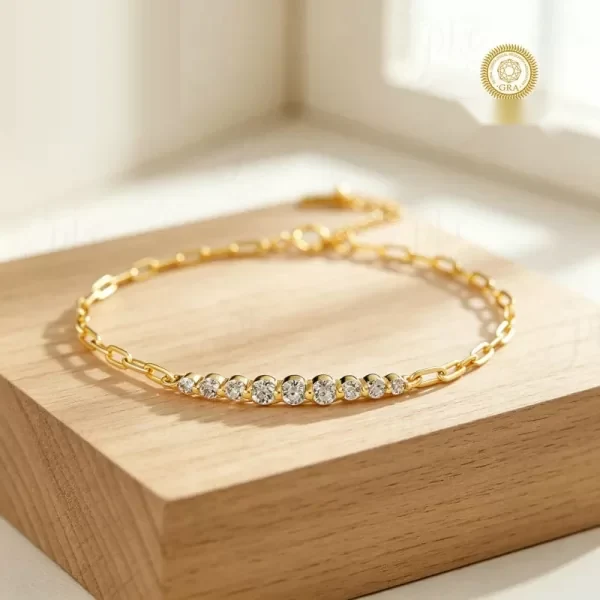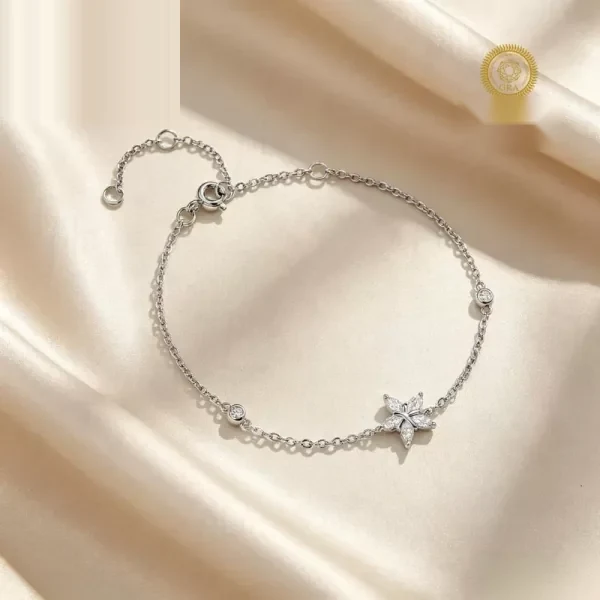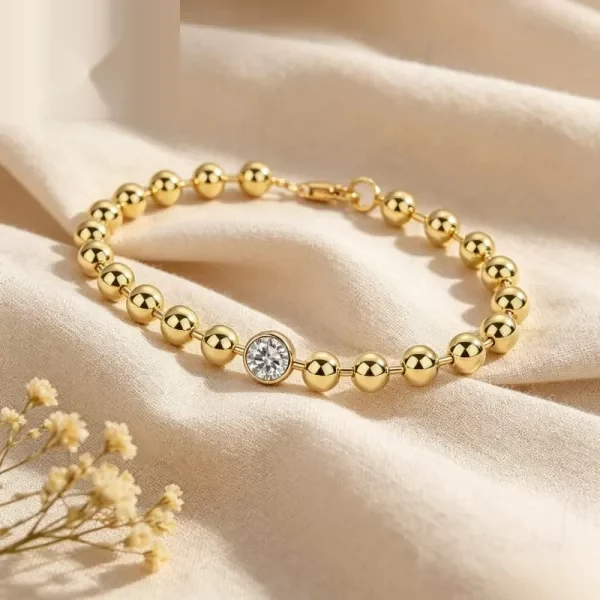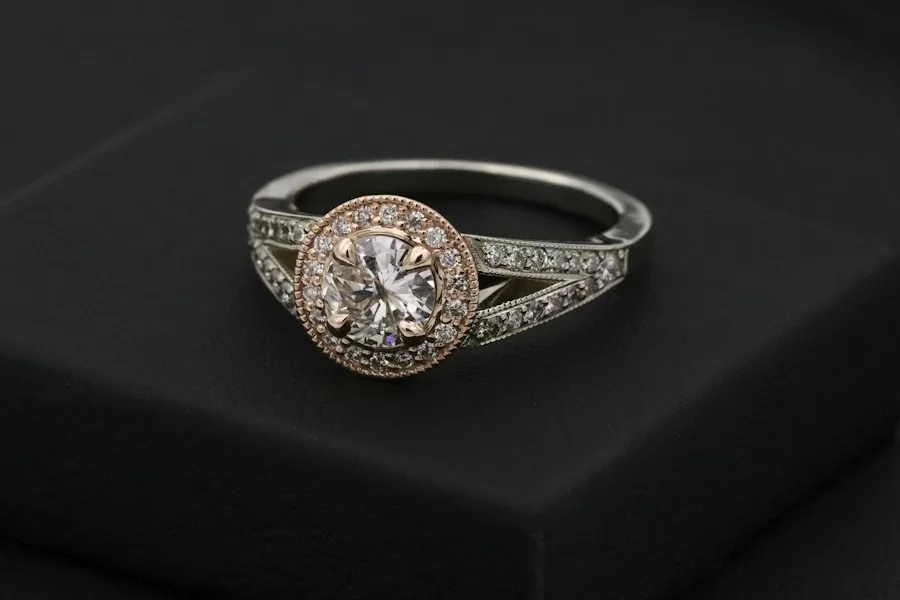
If your moissanite assortment is mostly rings, you are leaving a profitable category on the table. The tennis bracelet—a continuous line of evenly set stones worn snugly around the wrist—is one of the easiest items to sell alongside an engagement ring, an anniversary gift, or a treat-yourself purchase. It photographs beautifully, prices clearly, and carries a healthy margin because shoppers compare it to diamond tennis bracelets that cost many times more.
For a wholesale buyer, the tennis bracelet is also forgiving. It does not depend on ring-size luck the way solitaire stock does. A length can be adjusted by removing or adding a link, and the design travels across bridal, gifting, and everyday customers. That versatility makes it a smart add to any best-selling moissanite inventory plan.
What drives the buying decision
Customers shopping for a tennis bracelet are usually choosing between three things: the total look, the length and fit, and the price. Stone quality matters, but consistency matters more. A bracelet is judged as a whole—one noticeably duller or yellower stone breaks the effect. When you source, ask your supplier how the stones are matched for color and clarity across a single line, and whether the setting is secure enough for daily wear.
Widths and lengths to carry
Stock a small ladder rather than one style. Most retail buyers gravitate toward a classic 3 to 4 millimeter round-stone line in a neutral white metal. From there, you can branch:
- Classic line (3–4 mm): the everyday bracelet, the best seller, and your anchor SKU.
- Delicate line (2–2.5 mm): for younger buyers and wrist-stacking looks; pairs with other bracelets.
- Bold line (5 mm and up): statement piece, higher price point, slower mover but strong margin.
Length typically runs 6.5 to 7.5 inches. Because wrist size varies, confirm whether the bracelet comes with an extender or can be ordered half-size. A secure box clasp with a figure-eight safety is expected; avoid flimsy lobster clasps on anything priced as fine jewelry. For the metal choice, many buyers start with white gold or platinum tone because it makes the stones look whiter, then add yellow gold as fashion cycles shift.
Pricing and margin
The tennis bracelet is a margin-friendly item because customers anchor against diamond equivalents. A diamond tennis bracelet in the same visual weight can run into thousands of dollars, so a well-made moissanite version priced in the low hundreds feels like a strong value. Use that gap to your advantage in merchandising rather than undercutting yourself. Check your numbers against a clear moissanite retail markup and margin calculation before you set the shelf price.
How to sell more of them
The tennis bracelet is a natural add-on. When a customer buys an engagement ring, show the matching bracelet as an anniversary or wedding-day option. Train staff to mention it in the same sentence: "Many couples start with the ring and add the tennis bracelet for the first anniversary." That single line converts browsers into multi-item sales and raises your average order value without extra marketing spend.
Clasps, safety, and the return question
Because a bracelet sits on a moving wrist, the clasp is a reliability point customers notice later, not in the showroom. Ask your supplier about clasp type and whether each link is individually secured. A bracelet where even one stone sits loosely will, over time, generate returns that erode your margin. A simple care note—remove before showering or sport, check the clasp occasionally—reduces those returns and reinforces that you sold a quality piece, not a disposable fashion item.
Stock it, then let it sell
Think of it as a lower-risk version of a bridal set. The ring is the commitment purchase; the bracelet is the anniversary, the wedding-day gift, or the piece a customer buys once they are back in the store for a free cleaning. That repeat-visit dynamic is why many retailers find the bracelet outperforming its shelf space. A single style displayed at the counter alongside rings quietly suggests the add-on before a customer even thinks to ask, which is the easiest kind of sale to make.
Treat it as a long-game category. The first tennis bracelet you sell may not be your highest-margin item, but the customer who wears it daily will eventually come back for the matching necklace, the anniversary band, or a gift for someone else. That is the compounding effect of a well-chosen staple: it keeps paying out long after the original sale.
Stock two or three widths, keep your classic line replenished, and let the bold style sit as a showcase piece. Done right, the tennis bracelet becomes one of the quietest profit drivers in your case—a gift that sells itself once the customer sees the stones catch light in person.
Independent background on moissanite — how its hardness and refractive index compare with diamond — is documented in the Wikipedia article on moissanite.
Frequently Asked Questions
Is moissanite a good diamond alternative for retail buyers?
Yes for price-sensitive customers who want brilliance and hardness. Moissanite ranks 9.25 on the Mohs scale, holds up to daily wear and costs a fraction of a natural diamond of the same size, so it resells fast in bridal and fashion lines.
What is the minimum order for wholesale moissanite?
MOQ starts at 50 pieces per design for stock items. Custom cuts and private-label settings usually start at 100–300 pieces depending on the mold.
Do you provide certificates with moissanite stones?
Yes. Every parcel ships with GRA or IGI documentation listing carat weight, color grade and cut. We recommend passing the certificate to your end customer for trust.
How long does sample and bulk production take?
Samples ship in 3–5 days. Bulk runs take 15–20 days under 500 pieces, and 25–30 days for custom work.