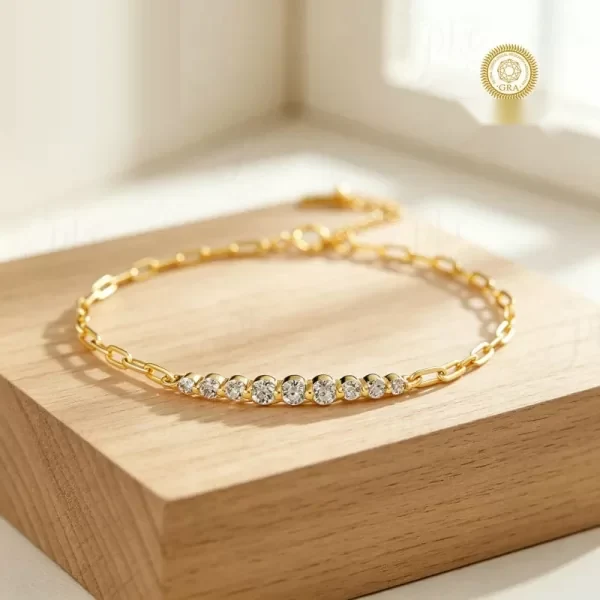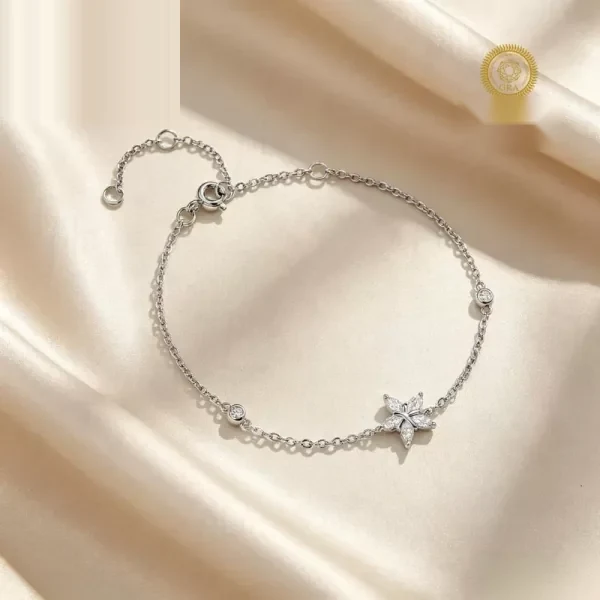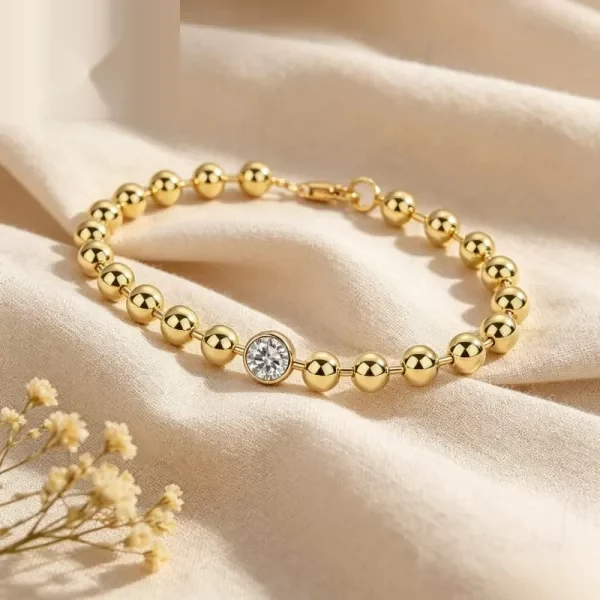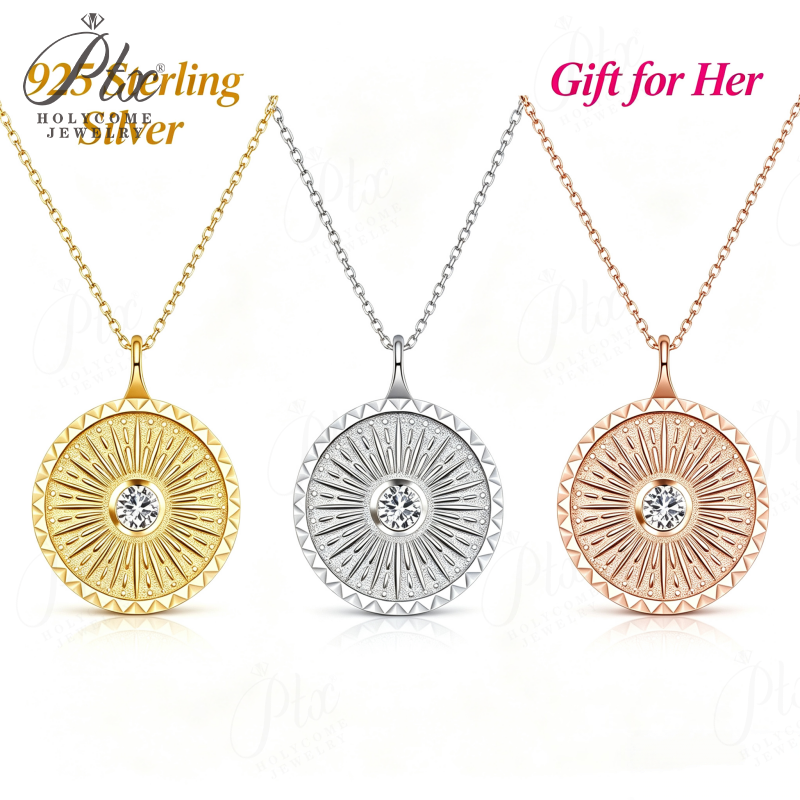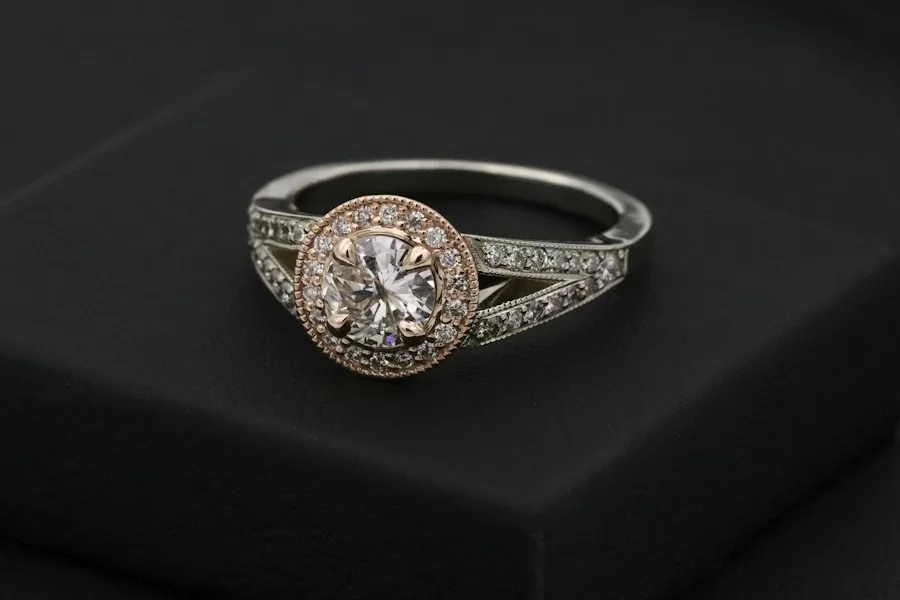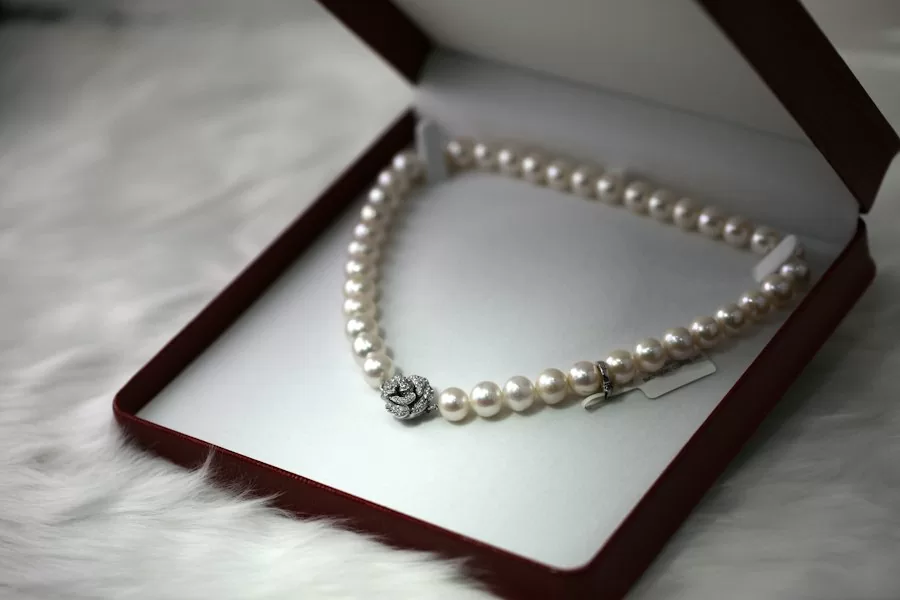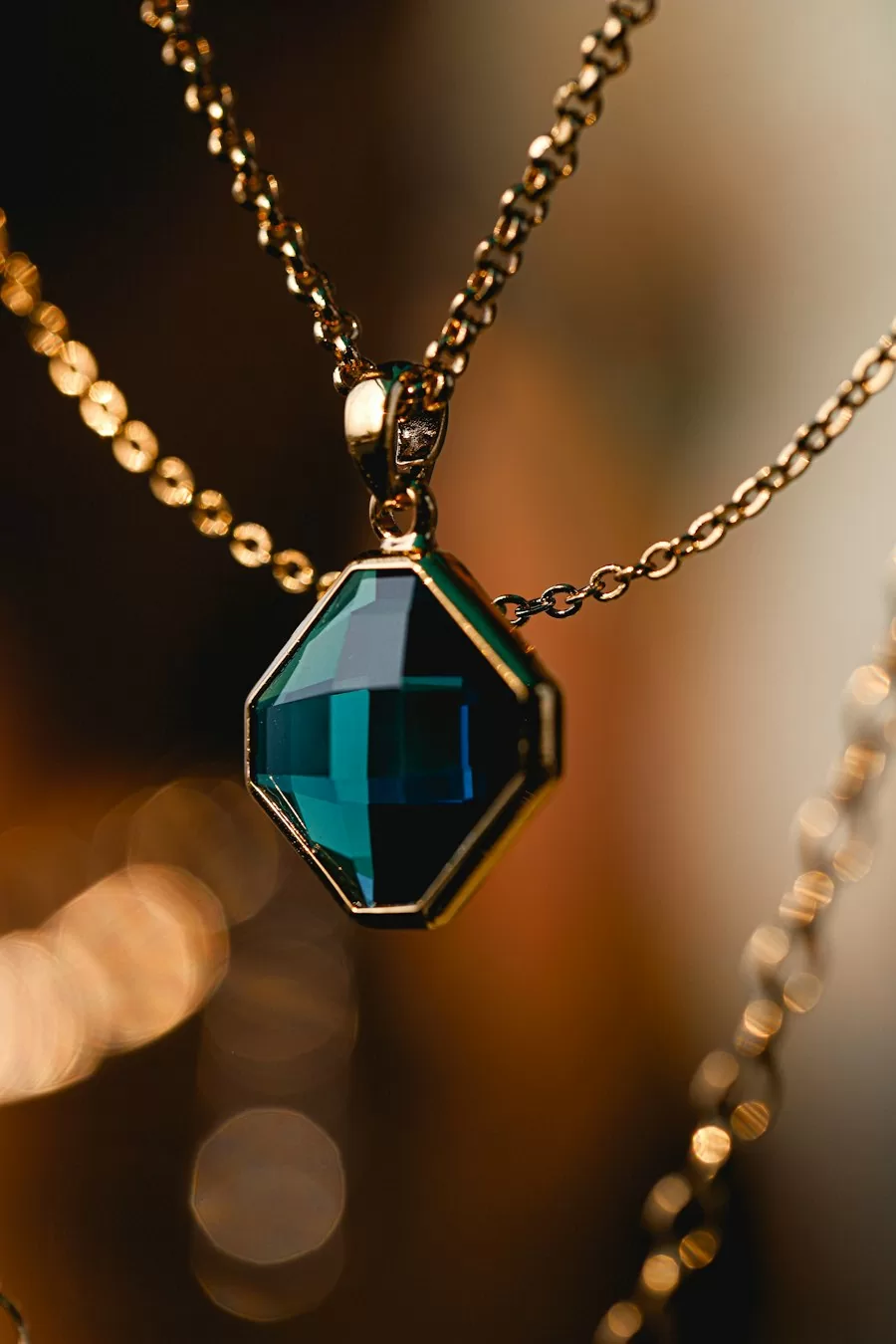
The tennis bracelet has been a staple for years, but the tennis necklace is the category that has quietly taken over fine-jewelry best-seller lists. A continuous line of stones across the collarbone reads as elegant, modern, and surprisingly wearable every day. For retailers, it is one of the few pieces that crosses bridal, gifting, and self-purchase buyers at once, which makes it a strong wholesale stocking choice.
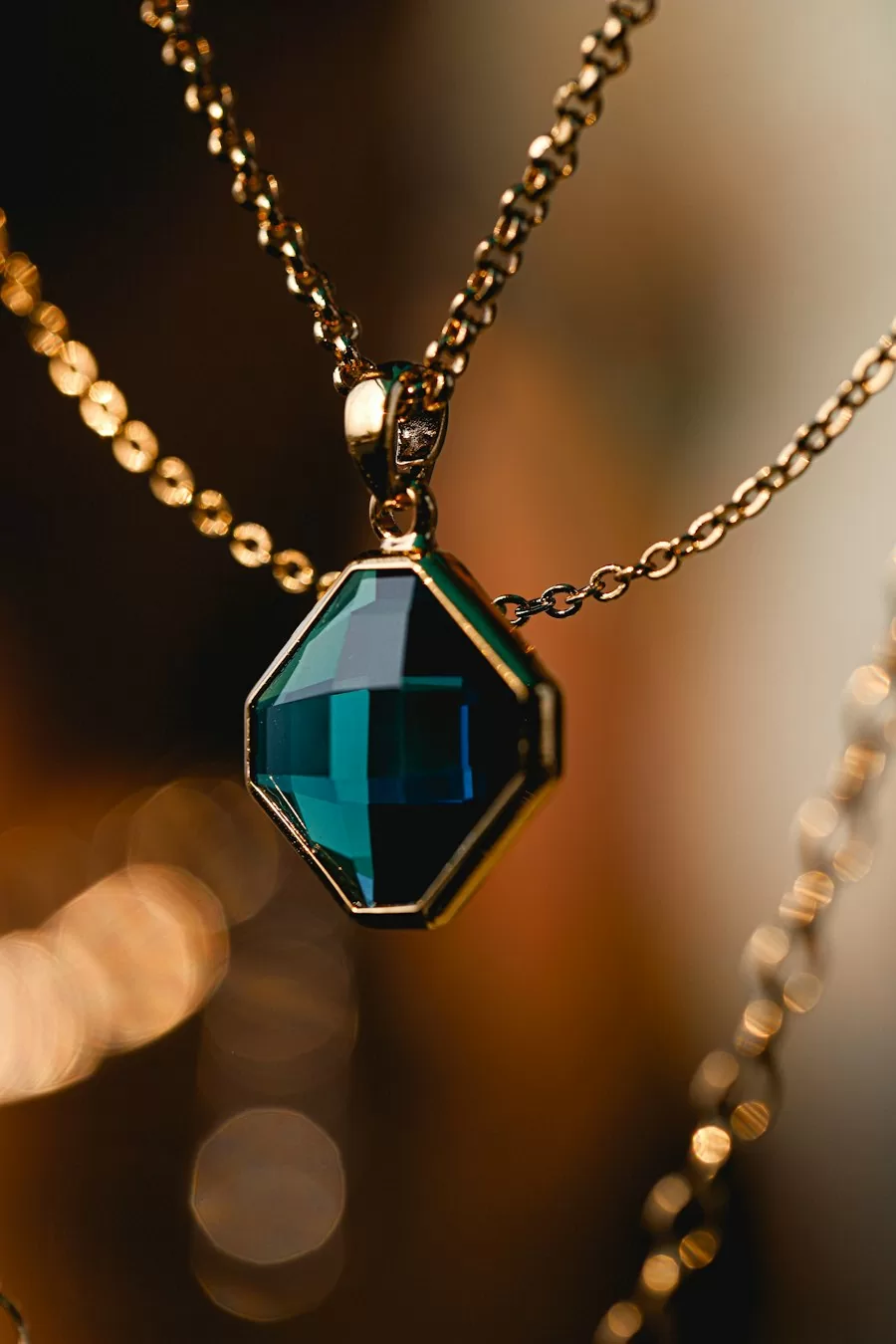
The first decision is stone size. Smaller stones, around 1.5 to 2mm, read delicate and layerable and sit at the most accessible price point. Mid-size stones, 3mm, are the sweet spot for everyday luxury and the category's best seller. Larger 4mm stones drift toward statement or evening wear. Moissanite's sparkle at small sizes is what makes the tennis necklace work so well; the same look in a less brilliant stone would read flat. Compare sizes against our mm-to-carat comparison chart so you can describe the look accurately to customers.
Chain length is where retailers lose sales through guesswork. A 16-inch chain sits high and close, 18-inch is the standard collarbone length most customers expect, and 20-inch drapes lower for a more relaxed look. Offering the 18-inch as the default and the 16- and 20-inch as options covers the vast majority of buyers. Always confirm whether the piece includes an extender chain, because that small feature lets a customer adjust the fit and reduces returns. The same length logic applies to related pieces in our chain length guide.
Construction quality deserves attention because a tennis necklace is only as strong as its settings. With dozens of stones, even one loose prong creates a risk of loss. Check that each stone is held by secure, polished prongs and that the chain has a sturdy lobster clasp, ideally with a safety catch. The spacing between stones should be even across the whole necklace, with no visible gaps that make it look like a string of separate pendants. This is the kind of detail your customer will feel the moment they put it on.
Metal choice should follow your store's positioning. White gold or platinum gives the classic, icy look; yellow gold feels warm and layered; rose gold skews feminine and on-trend. Because tennis necklaces are often bought to layer with other chains, stocking mixed-metal options lets customers build a collection rather than a one-off. Margin-wise, the per-stone cost of small moissanite is low, which means the necklace carries a healthy retail markup once labor and metal are factored in. Work through the numbers with our margin calculation guide.
Customer positioning matters as much as the physical product. A tennis necklace sits neatly between bridal and everyday fine jewelry in price, which means it sells to three distinct groups: brides looking for wedding-day sparkle, gift buyers shopping for anniversaries and holidays, and women treating themselves. When you market it, lean on that versatility. It works with a turtleneck at the office and a simple dress in the evening, and that day-to-night flexibility is what justifies the price. Pair it with related layering pieces in your merchandising so the necklace becomes the anchor of a small collection.
Returns tend to cluster around length, not stones. Most defects are rare because the construction is simple, but a necklace that is too long or too short for the buyer's neck often comes back. Reducing those returns starts before the sale: measure your display neckform accurately, show the length on a real neck in product photos, and describe where it falls. Offering a couple of length options up front, rather than guessing one universal size, cuts returns dramatically and improves the customer's sense of fit. Detail this in your listings the same way our necklace care guide describes upkeep, so buyers know exactly what they are getting.
Think of the tennis necklace as a gateway piece. Customers who buy one often return for the matching bracelet and earrings, and the continuous-line design is easy to sell as a coordinated set. That raises the average order value naturally, without heavy discounting. Display the necklace, bracelet, and a pair of studs together on one neckform and ear stand so the customer sees the whole look at once. When the pieces are merchandised as a set rather than as isolated SKUs, attach sales follow and the category becomes a reliable repeat earner for the store.
Stocking recommendation: lead with the 3mm white gold 18-inch as your hero SKU, keep one 2mm everyday version, and offer yellow and rose gold as made-to-order. Display it on a neckform under good lighting so customers can see the line of light it creates. Done right, the tennis necklace becomes the piece that brings customers back for the earrings and bracelet to match.
Independent background on moissanite — how its hardness and refractive index compare with diamond — is documented in the Wikipedia article on moissanite.
Frequently Asked Questions
Is moissanite a good diamond alternative for retail buyers?
Yes for price-sensitive customers who want brilliance and hardness. Moissanite ranks 9.25 on the Mohs scale, holds up to daily wear and costs a fraction of a natural diamond of the same size, so it resells fast in bridal and fashion lines.
What is the minimum order for wholesale moissanite?
MOQ starts at 50 pieces per design for stock items. Custom cuts and private-label settings usually start at 100–300 pieces depending on the mold.
Do you provide certificates with moissanite stones?
Yes. Every parcel ships with GRA or IGI documentation listing carat weight, color grade and cut. We recommend passing the certificate to your end customer for trust.
How long does sample and bulk production take?
Samples ship in 3–5 days. Bulk runs take 15–20 days under 500 pieces, and 25–30 days for custom work.