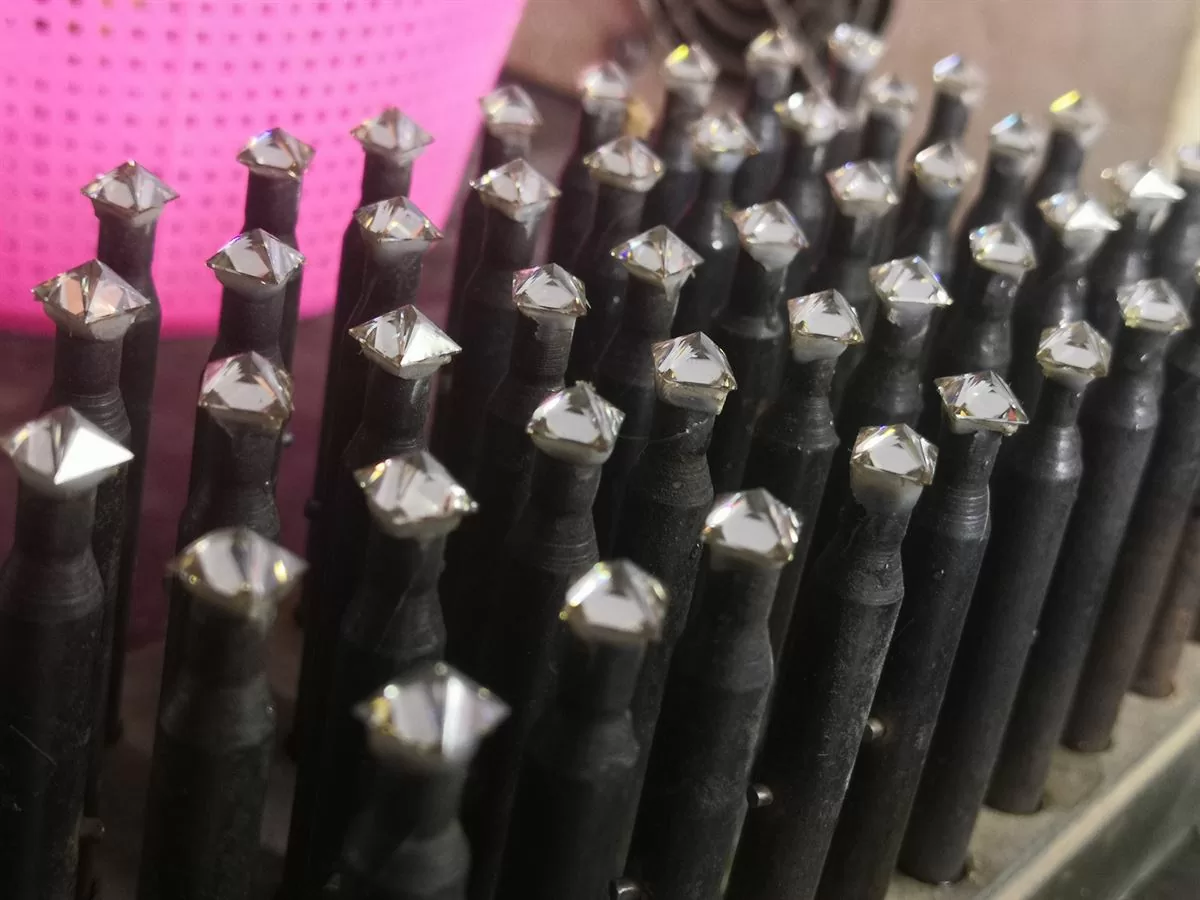
Launching a jewelry brand used to require the kind of capital that only a handful of people had: enough to buy mined stones, set them, and hold inventory in slow-moving sizes. Moissanite changed that math. The stone is consistent, the supply is controlled, and the wholesale cost lets a new brand open a credible collection without a six-figure war chest. The capital that drops out is the diamond budget. What does not drop out is the work of building the brand itself.
Pick the niche before you pick the stone
Moissanite is a material, not a brand. Decide who you are selling to first. A brand aimed at bridal shoppers needs engagement silhouettes, certificate-backed stones, and a sizing process that handles resizes. A brand aimed at everyday-stack buyers needs thin bands, ear cuffs, and layerable pendants in price points that encourage repeat orders. A brand aimed at gifting needs gift-ready packaging and clear occasion messaging.
Trying to be all three at once is the fastest way to a collection that looks like a catalog, not a point of view. Pick one customer and design for them. You can expand later; you cannot un-fringe yourself after launch.
Design the first collection around thirty SKUs
A first collection should feel complete but stay small. Around thirty pieces is enough to fill a lookbook and a few curated photoshoots without spreading your cash too thin. Group them so a customer can build a look: a ring, a matching earring, a pendant. If every SKU stands alone, you have a clearance rack, not a collection.
Resist the urge to design ten ring widths in the same silhouette. Two or three widths in a single design, offered in the most popular sizes, will teach you more about your market than ten variants nobody can tell apart. Save the long tail for reorders once you know which ones move.
Understand the MOQ before you fall in love with a design
Every wholesale line has a minimum. Some suppliers require six pieces per SKU, others twelve, and private-label engraving adds a setup fee on top. Run the math: if your dream first collection is thirty designs at six pieces each, that is 180 units. Price the landed cost, add your margin, and ask whether a brand with no audience can actually move 180 pieces in the first season. If the answer makes you nervous, shrink the collection rather than the margin.
Many new brands start with a supplier's existing designs under a private label, then introduce their own sketches once cash flow is steady. There is no prize for designing everything on day one.
Onboard the supplier like you are hiring them
Order samples. Not one sample. Order samples of the metal finish, the stone, the chain, and the packaging you intend to ship to customers. Check the clasp, the post backing, the ring sizing comfort, and the certificate that arrives with the stone. The sample is the only honest preview you get; the catalog photo is marketing.
Ask about lead times in writing. A supplier that quotes ten days in February may quote twenty-five in bridal season. Ask about reorder turnaround, because your first reorder tells you more about the relationship than the first order. And ask about defect policy in writing: what happens when a stone arrives chipped, a plating is thin, or a clasp fails in thirty days. A supplier that answers this clearly is a partner. One that dodges is a risk you will carry alone.
Price for launch, not for someday
New brands underprice. They see the wholesale cost, double it, and wonder why the business never grows. Build your price from the customer's willingness to pay, then work backward to the wholesale cost. If the landed cost does not leave room for marketing, returns, and a real margin, the design is a hobby, not a product. Price it so a launch sale actually funds the next order.
Photography and the first audience
A new brand lives or dies on its first images. Moissanite is a stone that photographs differently under different light; a flat overhead shot makes it look like clear glass, while a soft side-lit shot shows the fire that sells it. Budget for a proper product shoot, not a phone-and-white-sheet setup. The images are the only thing a distant customer touches before they buy, and they have to carry the whole argument.
Start small with your audience. Launch to a focused list—friends, past customers, a small social following—rather than buying broad ads on day one. The first hundred customers teach you which SKUs people actually want, and that data is worth more than any marketing budget. Use launch numbers to decide what to reorder, not your gut.
Launch narrow and reorder fast
Open with the thirty-piece collection, photograph it well, and sell. Watch which three or four SKUs reorder within the first quarter. Those are your heroes. Double down on them, retire the slow ones quietly, and let the collection evolve from real data rather than from the mood board. You can compare supplier ranges on moissanite rings while you plan which designs to carry first.
For third-party reference, the Wikipedia article on moissanite details moissanite’s discovery, optical properties and use in jewellery.
Frequently Asked Questions
Is moissanite a good diamond alternative for retail buyers?
Yes for price-sensitive customers who want brilliance and hardness. Moissanite ranks 9.25 on the Mohs scale, holds up to daily wear and costs a fraction of a natural diamond of the same size, so it resells fast in bridal and fashion lines.
What is the minimum order for wholesale moissanite?
MOQ starts at 50 pieces per design for stock items. Custom cuts and private-label settings usually start at 100–300 pieces depending on the mold.
Do you provide certificates with moissanite stones?
Yes. Every parcel ships with GRA or IGI documentation listing carat weight, color grade and cut. We recommend passing the certificate to your end customer for trust.
How long does sample and bulk production take?
Samples ship in 3–5 days. Bulk runs take 15–20 days under 500 pieces, and 25–30 days for custom work.