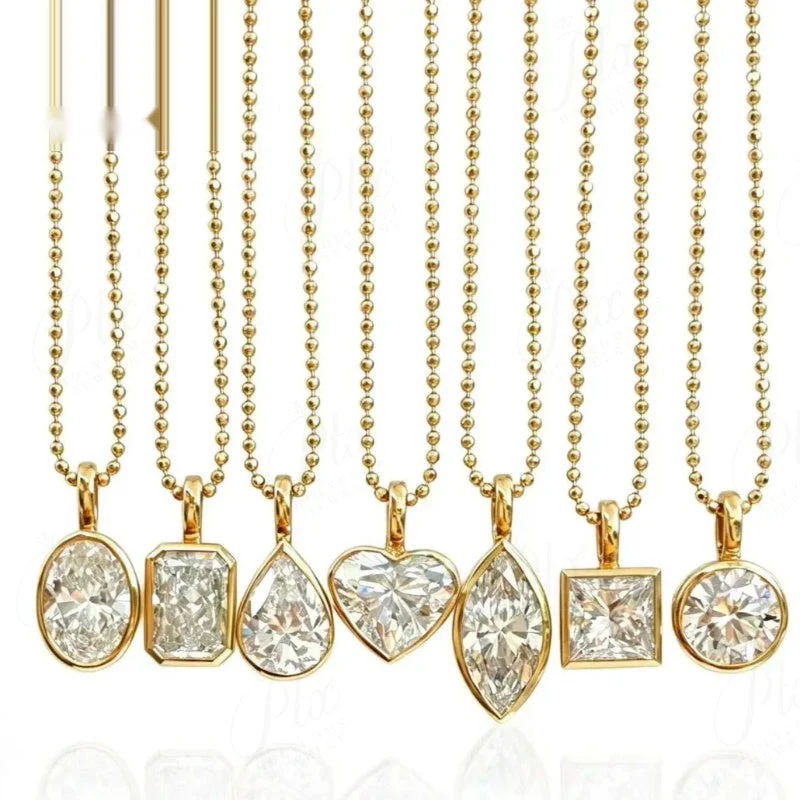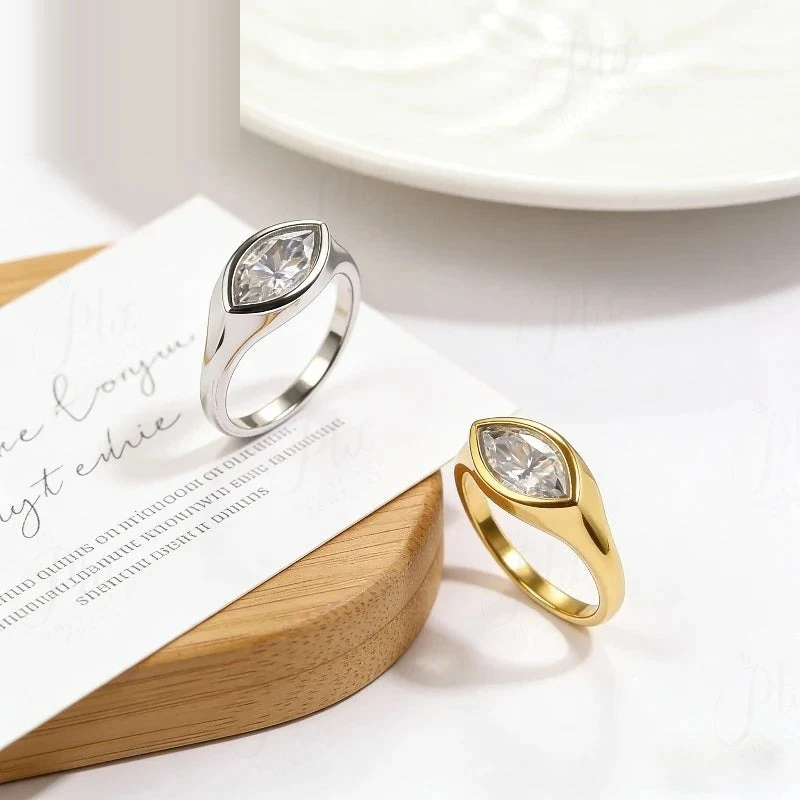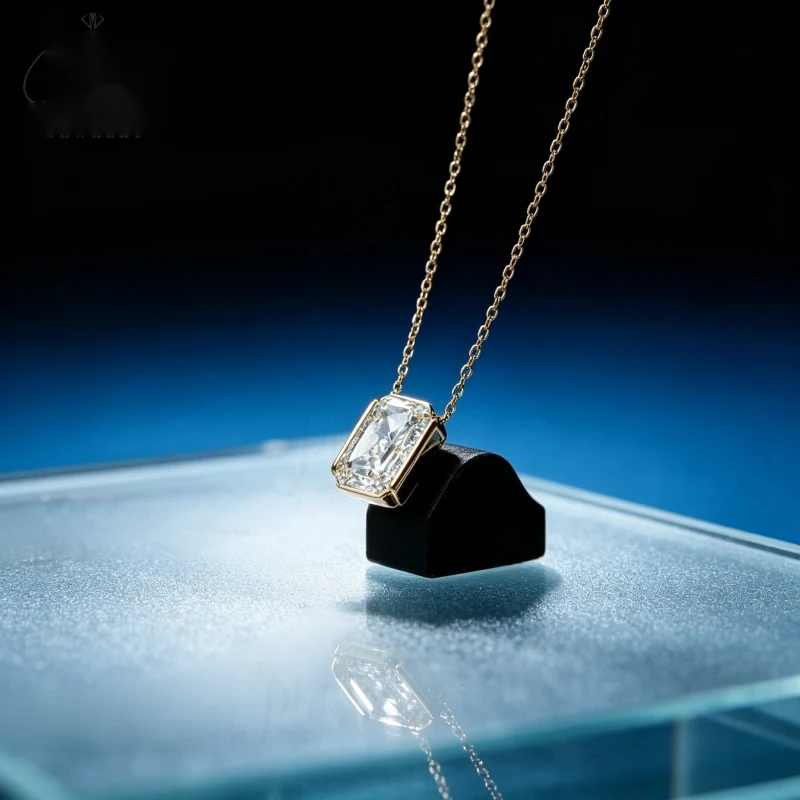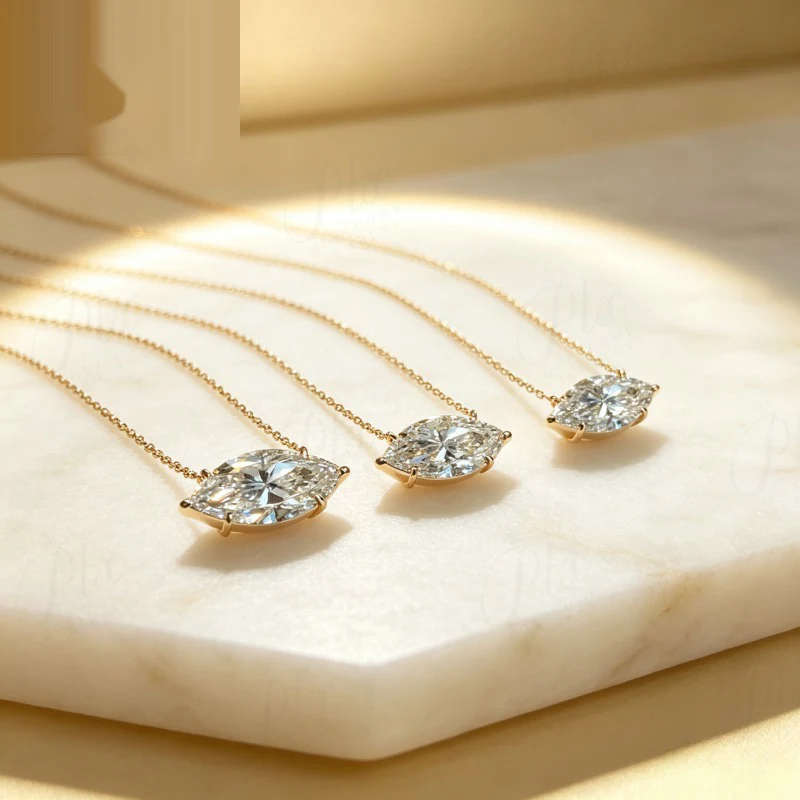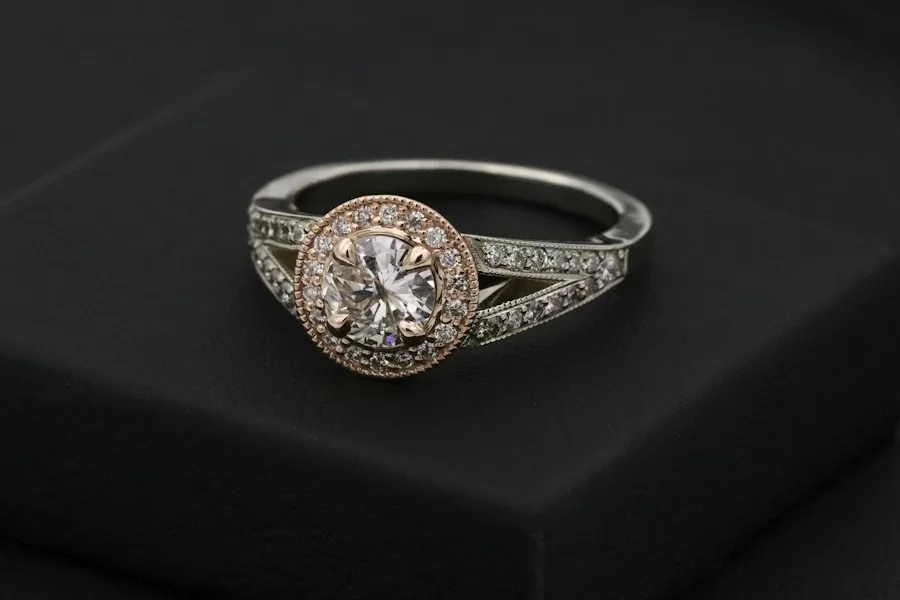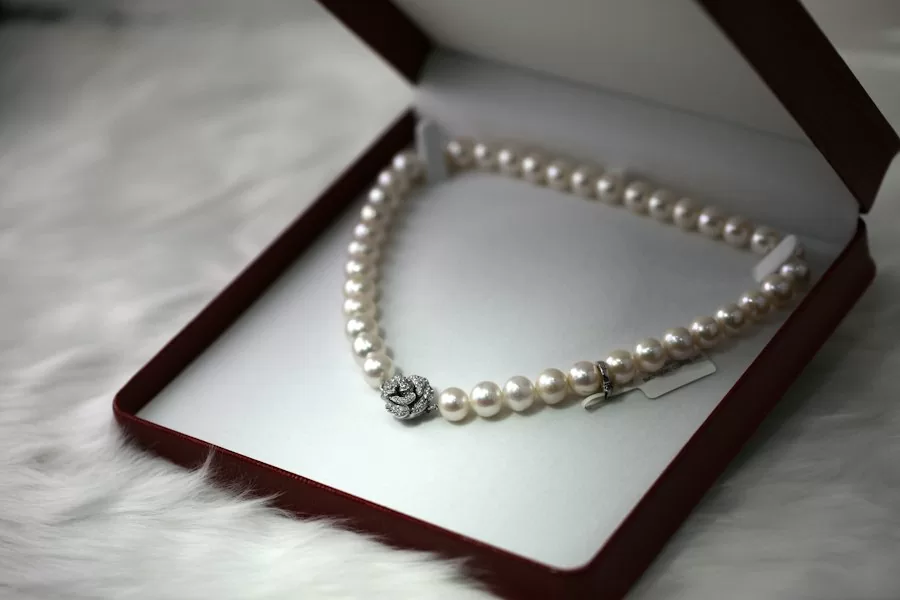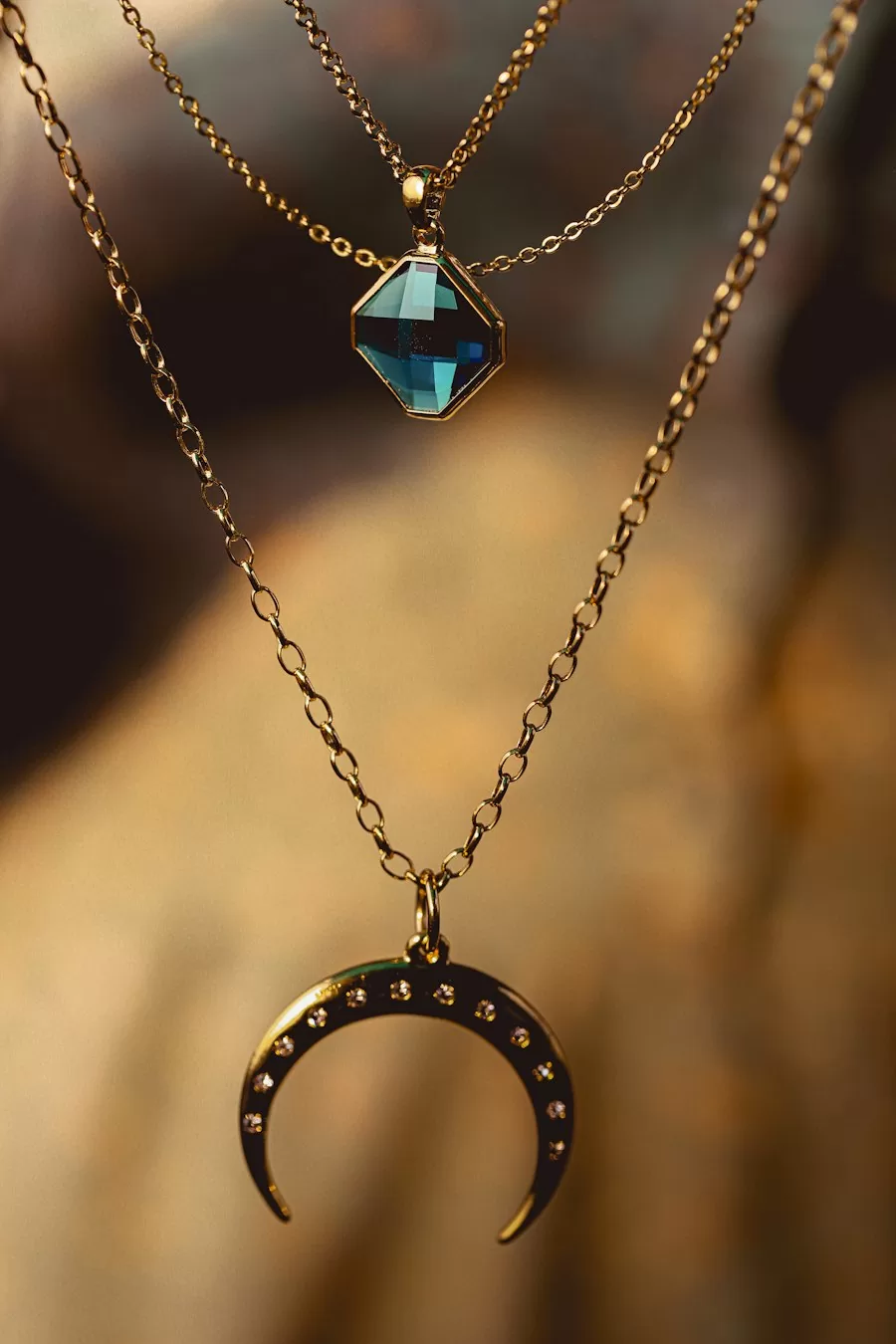
One of the first decisions a new moissanite buyer makes is which metal tier to carry. The choice usually comes down to two lines: rhodium (EU ECHA nickel safety regulations)-plated 925 sterling silver on one end, and solid 10k, 14k, or 18k gold on the other. Both carry moissanite beautifully, and both have a real customer. The mistake retailers make is treating them as substitutes. They are not. They are different products at different price points, with different expectations, different durability, and different margins. Stocking both correctly means understanding who buys which and why.
What rhodium-plated silver actually is
Rhodium-plated sterling silver starts with 92.5 percent silver, then receives a thin electrolytic coating of rhodium, a platinum-group metal, to give a bright white finish and slow tarnishing. The result looks convincingly like white gold at a fraction of the cost. The tradeoff is that rhodium is a surface layer. With regular wear, friction, perfume, and sweat, it wears through over months, revealing the silver underneath and requiring replating. This is normal and expected, not a defect. Read more on the plating process in rhodium plating on jewelry.
What solid gold gives you in return
Solid gold is an alloy of gold and other metals, and the gold runs through the whole piece rather than sitting on a surface. It will never wear away to reveal a base layer, it takes finer detail in casting, and its weight signals quality the moment a customer picks it up. The yellow, rose, and white variants are covered in yellow, rose, and white gold ring colors, and the purity tradeoffs between 14k and 18k are detailed in 18k versus 14k gold rings. Solid gold costs more up front, but it carries a longer customer relationship because the piece is genuinely built for decades of wear.
Match the line to the customer and the occasion
Plated silver is the right tier for everyday fashion pieces, gifts, and customers trying moissanite for the first time who are not ready to commit to a bridal budget. It is also the tier that lets you offer a full look, with earrings, a pendant, and a band, at a price point a younger buyer can justify. Solid gold is the bridal and heirloom tier: engagement rings, wedding bands, anniversary gifts, and pieces bought for a lifetime. A customer buying an engagement ring should not be steered toward a plated silver piece unless the budget is genuinely fixed; that is a recipe for a replating complaint within a year.
Price and margin honestly
The wholesale cost difference is large, and the retail price difference should be too. A plated silver moissanite solitaire retails in a different bracket than a solid gold one, and the margin structure reflects the metal cost. Do not try to compete on the plated tier with a premium brand story; do not try to sell a solid gold piece at a fashion price. Positioning is everything. Use the framework in luxury jewelry product selection to make sure each tier sits in its own part of your case and your catalog.
Set expectations at the point of sale
The most common complaint about plated silver is not that it wears; it is that the customer was not told it would. A thirty-second conversation at sale time changes everything. Explain that the rhodium finish will naturally wear over time, that replating is an affordable service you offer, and that the underlying sterling silver and moissanite stone are permanent. Frame this as normal care rather than a weakness. For the customer who wants a set-and-forget piece, point them to solid gold. This honesty is covered more broadly in treatments, coatings, and disclosures.
Build a bridge between the tiers
Plated silver customers are your future solid-gold customers. Track who buys the fashion line, and when they hit an anniversary, a promotion, or an engagement, invite them in to see the solid-gold bridal range. The entry-tier sale is not a lost high-value sale; it is the first step of a relationship. That laddering between price tiers is exactly how a jewelry store grows average order value over time.
One more practical note for ordering: plated silver pieces weigh less and ship cheaper, which matters for your landed cost across a large catalog. Solid gold pieces weigh more, and the freight difference stacks up. Factor shipping and duty into each tier's margin so you are not surprised by a thin profit on the heavier line.
Rhodium-plated silver and solid gold are not competitors on your shelf; they are two rungs on the same ladder. Stock both, price both honestly, set expectations clearly, and use the entry tier as the doorway to the lifetime customer. The stores that treat them as distinct products sell more of each.
Frequently Asked Questions
Is moissanite a good diamond alternative for retail buyers?
Yes for price-sensitive customers who want brilliance and hardness. Moissanite ranks 9.25 on the Mohs scale, holds up to daily wear and costs a fraction of a natural diamond of the same size, so it resells fast in bridal and fashion lines.
What is the minimum order for wholesale moissanite?
MOQ starts at 50 pieces per design for stock items. Custom cuts and private-label settings usually start at 100–300 pieces depending on the mold.
Do you provide certificates with moissanite stones?
Yes. Every parcel ships with GRA or IGI documentation listing carat weight, color grade and cut. We recommend passing the certificate to your end customer for trust.
How long does sample and bulk production take?
Samples ship in 3–5 days. Bulk runs take 15–20 days under 500 pieces, and 25–30 days for custom work.