Shape selection is where a new moissanite buyer most often over-commits. It is tempting to stock every cut a factory offers. The reality is that a handful of shapes cover the vast majority of real customer demand, while the long tail sits in a drawer. This guide ranks the major moissanite shapes by how often they actually sell and how forgiving they are to stock.
Round brilliant: the anchor
The round brilliant is the safest shape in the category. It is the most requested engagement shape across the bridal market, it hides minor inclusions and color variation well, and it photographs consistently. If you are opening a moissanite line for the first time, round is the SKU you build around. Stock it in D-F color, around one to two carat equivalent, in at least two metal tones. It will not excite trend shoppers, but it will pay the bills while you test everything else.
Oval: the growth shape
Oval is the shape gaining the most share in bridal, especially among buyers who want a larger-looking stone without a larger price tag. An oval's elongated face-up size makes it look generous, and its soft silhouette photographs beautifully. The risk with oval is cut quality: a poorly cut oval can show a dark bow-tie shadow across the center. Inspect samples face-up under strong light before you reorder, and favor vendors who send consistent ovals. Our comparison of round versus oval moissanite goes deeper on the tradeoff.
Cushion and emerald step cuts: the middle tier
Cushion sells well among buyers who want a softer, vintage-adjacent look, and emerald-cut moissanite appeals to the quiet-luxury customer who prefers clean lines over maximum sparkle. Both shapes are more about personality than volume. Stock a few each, not a wall. Step cuts in particular show color and clarity more readily than rounds, so grade discipline matters more here.
Pear, marquise, and heart: the long tail
These shapes sell, but they sell as requests rather than as walk-in traffic. Pear and marquise flatter the finger and attract buyers who already know what they want; heart shapes peak around gifting dates. Because demand is sporadic and sizing orientation matters, buy these on demand from your supplier's loose-stock program rather than pre-finishing dozens. Our loose moissanite warehouse stock options are built for exactly these pull orders.
A simple stocking rule
A useful rule of thumb for a first order is roughly 50 percent round, 25 percent oval, 15 percent cushion and emerald combined, and 10 percent reserved for on-demand pear, marquise, and special colors. That split matches where bridal demand actually lives without starving your trend tier. Re-evaluate after ninety days: if ovals are outpacing rounds, shift the mix on the next buy.
Match shape to setting
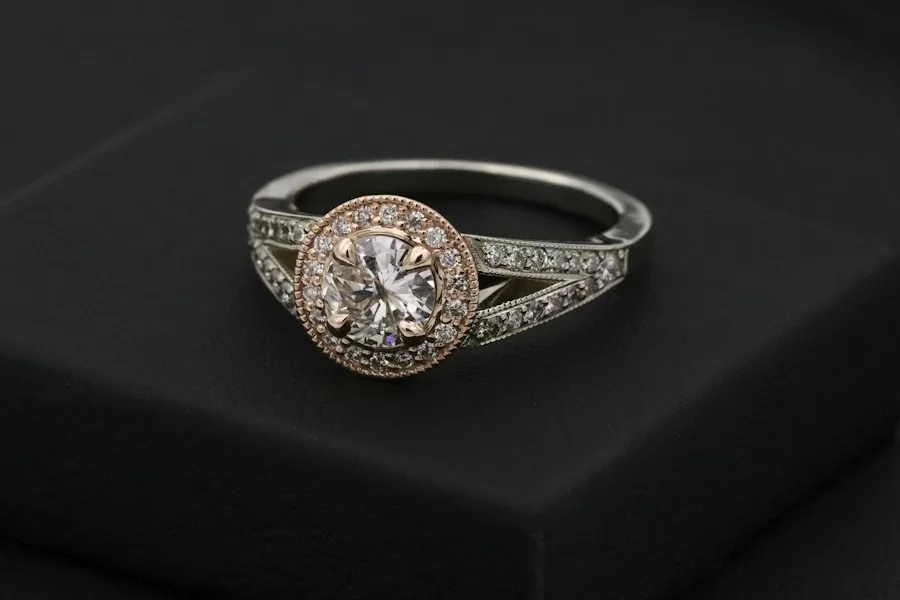
Shape and setting work together. A halo flatters round and cushion; a solitaire lets oval and pear breathe; bezel settings suit emerald and modern cuts. Ordering a shape without a matching mounting leaves you unable to close the sale. Keep your core shapes paired with at least two setting options each. For the wider picture, our 2026 moissanite wholesale buying guide ties shape choices to current market demand.
Let your own sales receipts, not trends, decide
National shape trends are a starting point, not a verdict. A store in one town may sell twice as many ovals as its region averages because a local influencer popularized the look; another may lean vintage and move cushions. Keep a simple tally of which shapes you actually quote, not just which you sell. Over a season, the gap between quoted and sold tells you where your merchandising is mismatched. You may find, for example, that customers ask for pear constantly but you never have it in stock, which is a loose-stock pull order waiting to happen.
Grade discipline matters more in fancy shapes
A D-F color grade hides well in a round brilliant, because the faceting scatters light and forgives minor warmth. In an emerald, pear, or marquise, the same stone shows its color more directly, especially toward the points and corners. If you stock fancy shapes, buy a slightly tighter grade than you would for rounds, and inspect samples in daylight rather than under warm store lighting. A stone that looks icy under showroom lights can read yellow on a customer's finger at noon. This is the reason fancy shapes carry both more risk and, when cut well, more margin.
Start narrow, sell through, then expand. The store that learns which shapes its own customers actually request beats the store that guessed at national averages every time. Review your shape mix once a season against what you actually quoted, and do not be afraid to drop a shape that looked promising on paper but never walks out the door. Your shelf space is finite; spend it on the shapes your repeat customers ask for by name.
The Gemological Institute of America’s gem encyclopedia is an authoritative, widely cited reference on moissanite and diamond quality factors.
Related reading: Drop-Shipping vs. Wholesale Moissanite: Which Model Fits Your Store, Moissanite Engagement Ring Styles by Budget Tier: What Retailers Shoul, Dropshipping vs. Wholesale Inventory: Which Model Fits Your Moissanite.
Frequently Asked Questions
Is moissanite a good diamond alternative for retail buyers?
Yes for price-sensitive customers who want brilliance and hardness. Moissanite ranks 9.25 on the Mohs scale, holds up to daily wear and costs a fraction of a natural diamond of the same size, so it resells fast in bridal and fashion lines.
What is the minimum order for wholesale moissanite?
MOQ starts at 50 pieces per design for stock items. Custom cuts and private-label settings usually start at 100–300 pieces depending on the mold.
Do you provide certificates with moissanite stones?
Yes. Every parcel ships with GRA or IGI documentation listing carat weight, color grade and cut. We recommend passing the certificate to your end customer for trust.
How long does sample and bulk production take?
Samples ship in 3–5 days. Bulk runs take 15–20 days under 500 pieces, and 25–30 days for custom work.