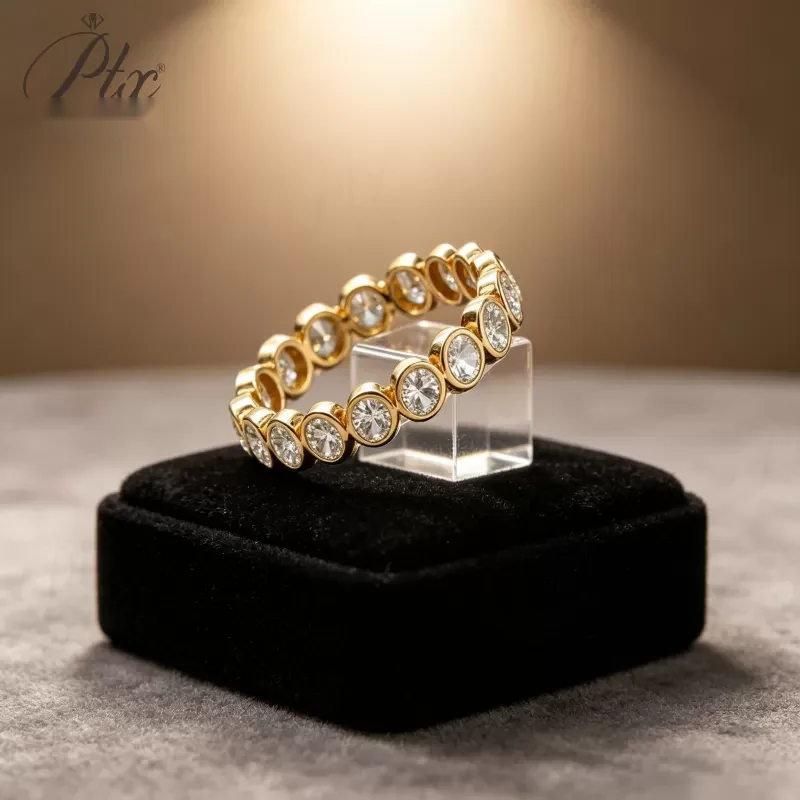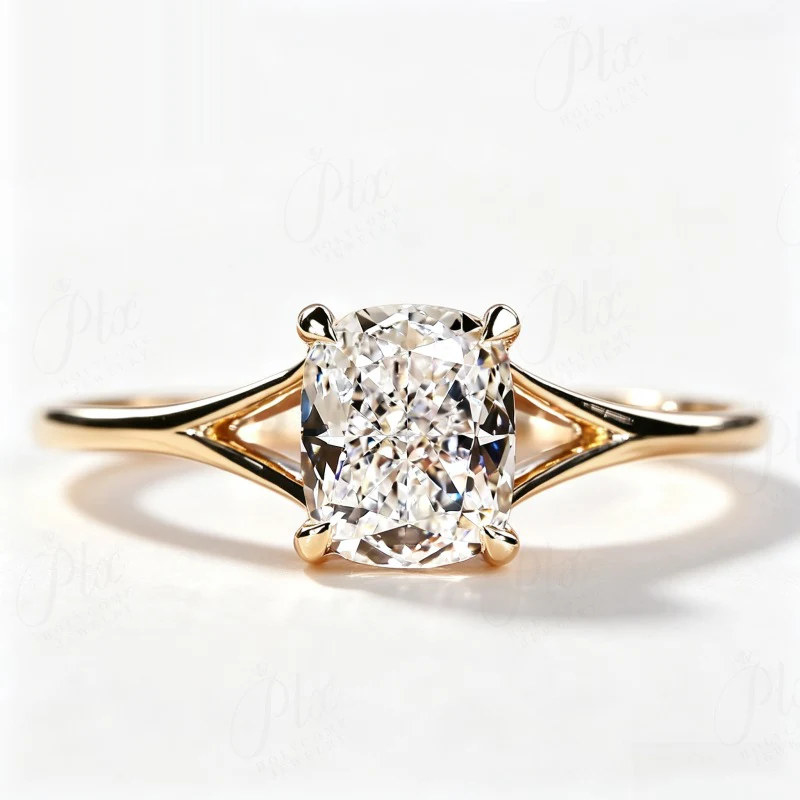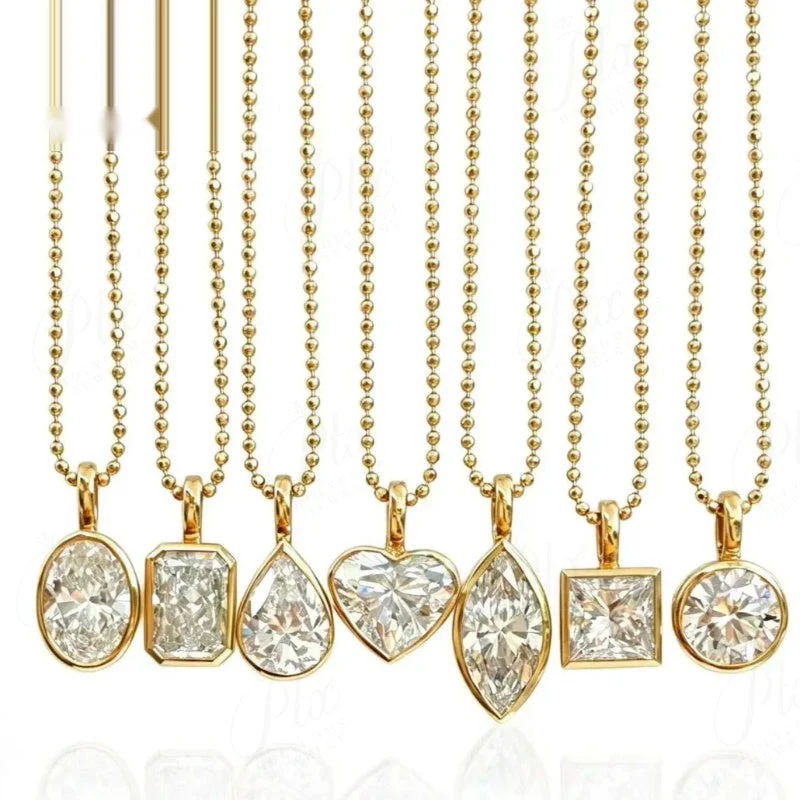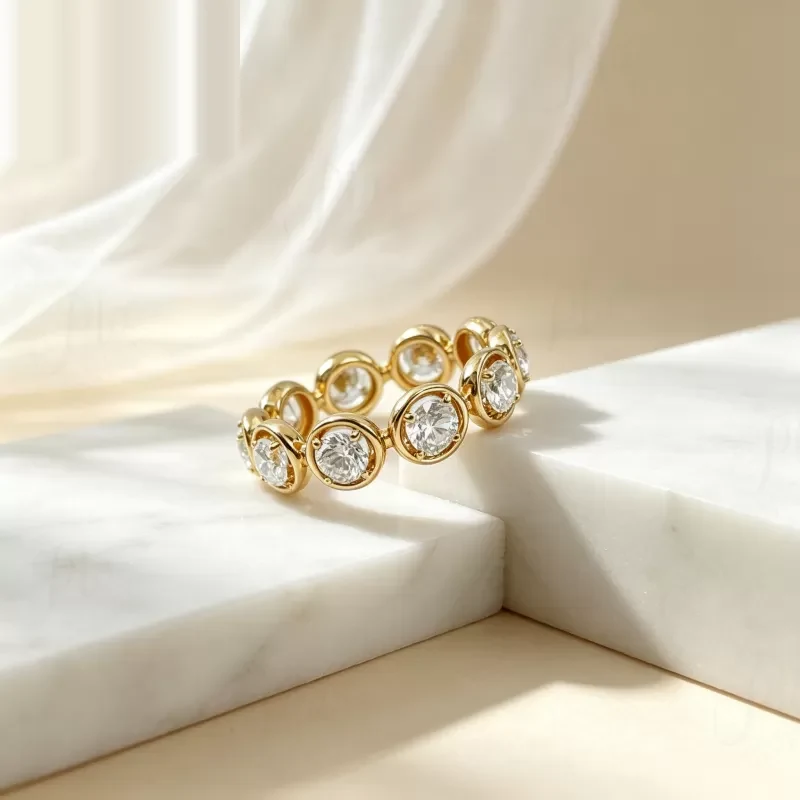
A bride in Oslo came into a store last month holding two boxes: one with a 1ct natural diamond solitaire her grandmother had left her, and one with a 1ct equivalent moissanite the retailer had on display. She wanted to know, in plain terms, what she was actually choosing between. The sales associate spent twenty minutes walking her through sparkle, price, hardness and resale. By the end the customer had stopped asking "which is better" and started asking "which fits my life" - which is exactly the right question. Side-by-side comparisons sell less when they pretend one gem wins on every axis and more when they lay the trade-offs on the table.
For resellers, a clear moissanite-versus-diamond guide on your blog or product page sets expectations before purchase and cuts the "is this real" return email. Below is the honest side-by-side, axis by axis.
Appearance and sparkle
Moissanite disperses more light than diamond, so it throws stronger rainbow fire. In bright light that reads as more sparkle; under soft office light a diamond often reads whiter and calmer. Size-for-size, a 6.5mm moissanite matches a 1ct diamond in diameter. Color-wise, near-colorless moissanite runs D-to-F on a borrowed diamond scale, though the label is not standardized - see our grading-tier notes. GIA's 4Cs framework is the reference point most customers already know, and it is worth linking to so they can map your wording onto it.
Hardness and durability
Diamond is 10 on Mohs; moissanite sits at 9.25. In practice both are scratch-resistant enough for daily wear. The difference shows on edge chips: a diamond resists chipping slightly better, while moissanite is more brittle on very thin girdles. For most solitaire settings both stones will outlast the prongs around them. We cover the wear argument in moissanite durability and chipping.
Price and value
This is the axis where moissanite wins decisively. A 1ct equivalent moissanite solitaire retails for a fraction of a comparable 1ct natural diamond, and the gap widens as size goes up. A 2ct or 3ct equivalent moissanite that would be a five-figure diamond is a mid-range purchase. That is why moissanite has captured the under-$3,000 engagement ring segment. Be transparent about the price difference on the page - it is your strongest selling point. See also loose stone price tiers by carat.
Certification, testing and resale
Diamonds ship with GIA or IGI grading reports that carry resale weight. Moissanite ships with SGS, GRA or NGTC cards that confirm material and dimensions but do not create a secondary market value the same way. On a tester, moissanite will trigger a diamond-tester reading on older units - we explain that in what a jeweler tester shows. On resale, both stones depreciate from retail; moissanite simply starts at a lower price point. We unpack the honest numbers in resale expectations for 2026.
What your customer actually asks in the fitting room
The real comparison question is rarely technical. It is usually: "Will people know?" The honest answer is that in normal indoor light, with the naked eye, most people will not tell a near-colorless moissanite solitaire from a diamond. Under magnification a trained jeweler spots double refraction, and on an old diamond tester the moissanite may register as a stone - details we cover in our tester guide. The customer who asks this is usually looking for reassurance, not a lecture on refractive index. Give her the plain answer, then point her to the price difference, which is where the decision actually tips.
FAQ: moissanite vs diamond side by side
Does moissanite look as big as a diamond?
By diameter, yes: a 6.5mm round moissanite matches a 1ct diamond. Moissanite actually spreads slightly more per carat weight because it is less dense.
Can people tell moissanite from a diamond?
Under magnification a trained jeweler can, because moissanite shows double refraction. To the naked eye in normal light, most people cannot tell them apart, especially in near-colorless grades.
Is moissanite a good alternative to a diamond engagement ring?
For buyers who want a larger stone at a lower price and do not need diamond resale cachet, yes. It is a deliberate trade-off, not a compromise.
Will a moissanite ring last as long as a diamond ring?
The stone itself will. The setting wears on the same timeline for both, which is why prong care matters regardless of which gem you sell - see our prong care routine.
One last point for your page: photograph both stones side by side under the same light so the size difference is visible. Customers who see a 1ct diamond next to a 1ct equivalent moissanite understand the value instantly, and a single honest comparison shot reduces the "is it real" email more than any amount of marketing copy.
Stock both stories. HOLYCOME supplies near-colorless moissanite solitaires at a fraction of comparable diamond pricing, with full spec sheets for your product page. Request a side-by-side sample pack.
Frequently Asked Questions
Is moissanite a good diamond alternative for retail buyers?
Yes for price-sensitive customers who want brilliance and hardness. Moissanite ranks 9.25 on the Mohs scale, holds up to daily wear and costs a fraction of a natural diamond of the same size, so it resells fast in bridal and fashion lines.
What is the minimum order for wholesale moissanite?
MOQ starts at 50 pieces per design for stock items. Custom cuts and private-label settings usually start at 100–300 pieces depending on the mold.
Do you provide certificates with moissanite stones?
Yes. Every parcel ships with GRA or IGI documentation listing carat weight, color grade and cut. We recommend passing the certificate to your end customer for trust.
How long does sample and bulk production take?
Samples ship in 3–5 days. Bulk runs take 15–20 days under 500 pieces, and 25–30 days for custom work.